
XOXO, A Retired Shopaholic
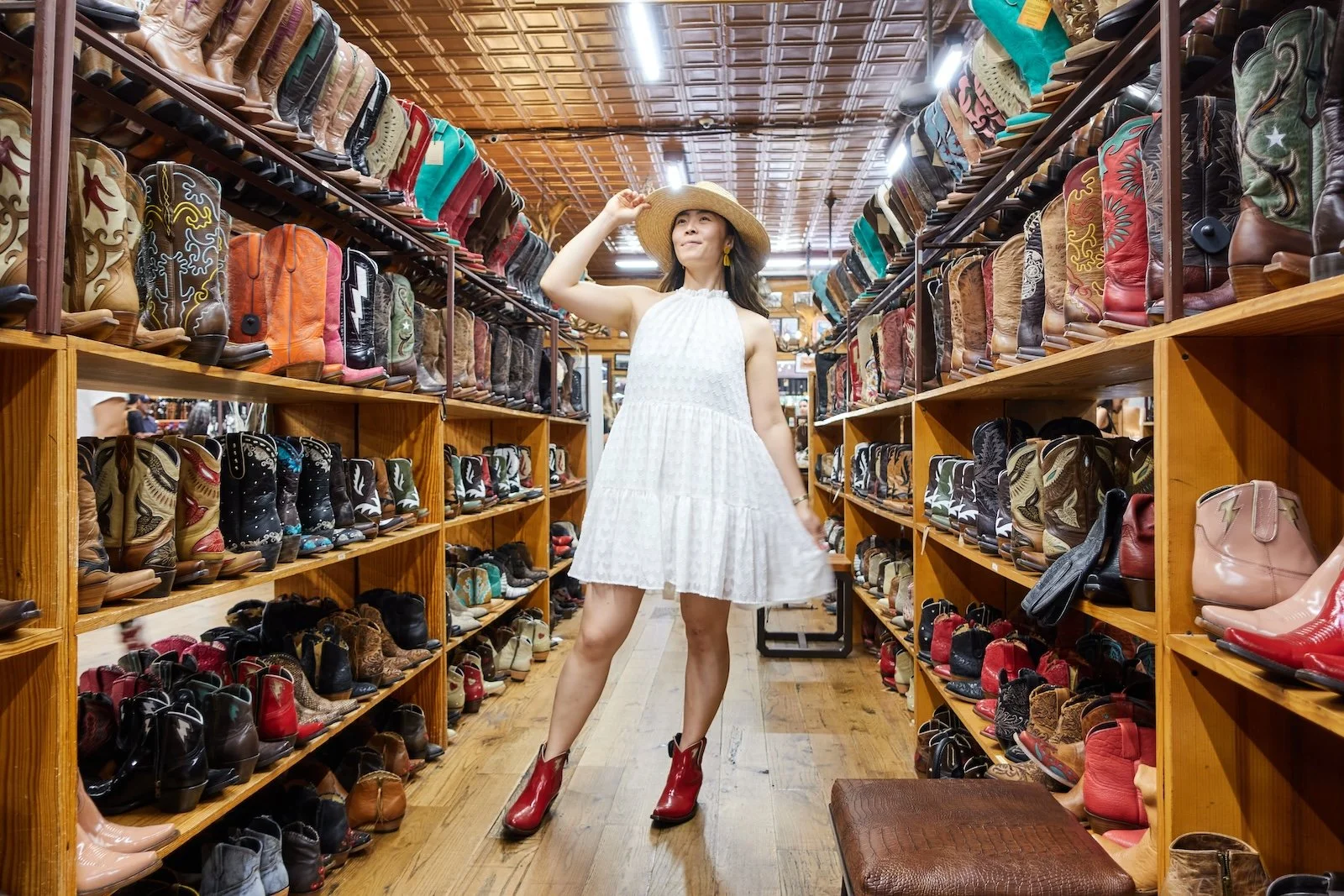
From the late 1970s through the 2000s, American malls were central to retail and suburban culture, serving as major shopping destinations and social hubs. When I became a teenager in the mid-2000s, I arrived just in time for the final glow of that era. Shopping trips with my mom and sister felt like the highlight of my year, rare days when I could browse and try on clothes that made me feel, if only briefly, like the cool, trendy girl I hoped to become. There was something intoxicating about being surrounded by all the things I thought I wanted.
We didn’t have much to spend, but by the end of the decade, clothes became increasingly affordable and abundant, filling department stores and fast-fashion chains like Forever 21 and H&M. At home, magazines like Seventeen and Teen Vogue shaped my sense of desire, spelling out what I was supposed to want. As I moved deeper into my teenage years, the pressures of high school set in, along with the belief that fitting in meant owning the right things and learning how to wear them.
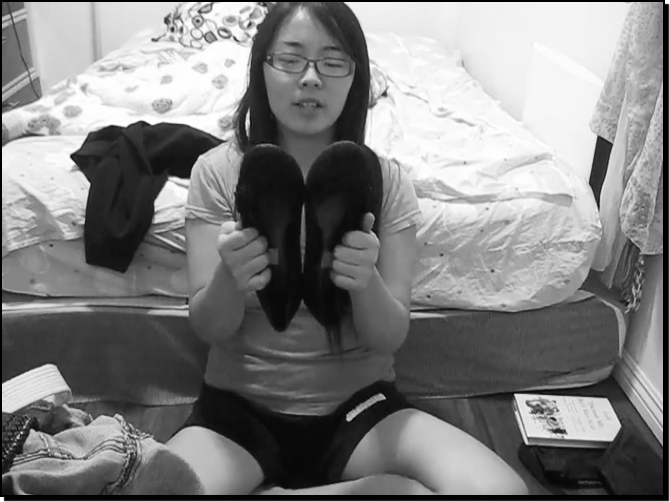
2011. The year I started secretly filming shopping hauls.
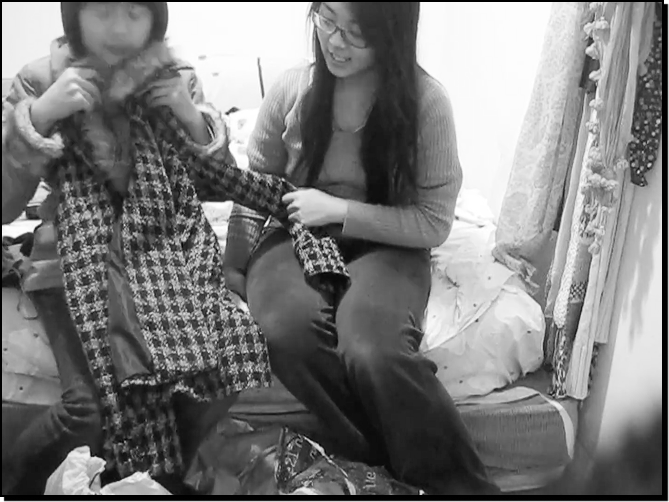
When social media wove itself into everyday life in the 2010s, YouTube haul videos and Instagram outfit-of-the-day posts (#OOTD) widened my exposure to consumerism. Seemingly ordinary girls documented the sheer volume of what they bought on each shopping trip, and posted pictures of themselves wearing something new every day. I consumed that content compulsively, intoxicated by a new hunger to shop.
When I finally started collecting paychecks in college (shoutout to minimum wage food service), I suddenly had spending power of my own. Rising social media-fueled e-commerce retailers like ASOS and Urban Outfitters made it easy to buy celebrity lookalike styles at prices that felt harmless. As brands rused to build their online presence, they dangled unsustainable promotions just to keep carts full: free shipping, no minimums, and prices so low they barely felt real. When Cotton On first launched its website, I bought shorts and scarves for $1. Loyalty rewards apps like Wrapp regularly handed out H&M coupons that allowed me to buy clearance rack jeans for $1.
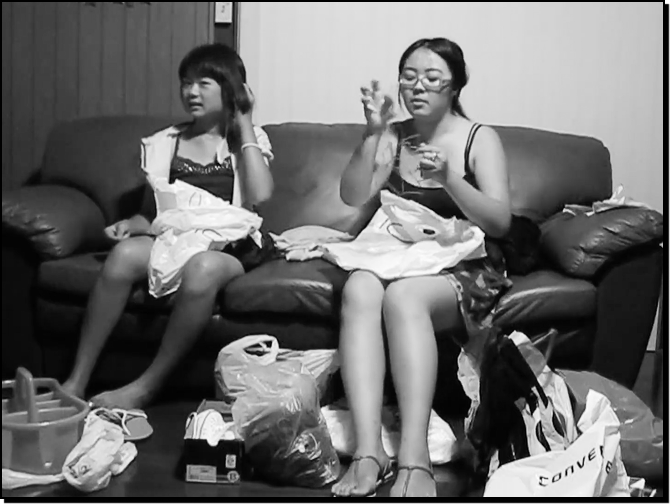
Growing up with a frugal, practical mother, I’d heard “no” more times than I could count while shopping. So the thrill of amassing cute clothes on my own dime was addicting. I overconsumed, convinced I was winning because I saved so much money. Watching back these cringey haul videos (screenshots above and below) I filmed during that era, I’m struck by how little the clothes themselves seemed to matter. I was more excited about the price of the product — holding up a Forever 21 leaf necklace up to the camera, proudly announcing that it only cost $2.80.
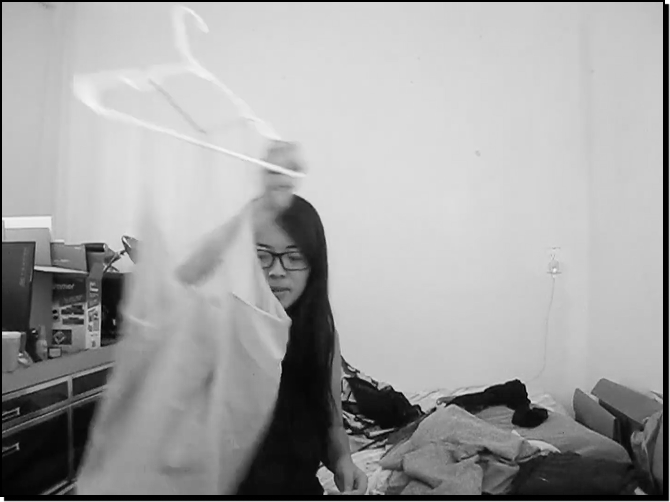
Then Amazon killed the retail store, and with it, the mall as a third place quietly disappeared. The e-commerce revolution prioritized speed and convenience, fueling the explosive growth of fast fashion. Influencer culture followed, and brands began selling images and lifestyles rather than well-made clothes. Synthetic fabrics and flimsy construction became the norm, allowing new inventory to drop weekly. There was an infinite amount to browse through online, and over time, it because exhausting. I wasn’t inspired to shop anymore.
In 2019, I switched exclusively to thrifting. In 2020, the pandemic halted my shopping entirely for months. In 2023, a new consistent gym routine meant I lived mostly in workout clothes. In 2024, pregnancy changed my body and consequently, my relationship to shopping. Over the past half year, my clothes have been perpetually covered in spit-up. I still love to dress up when the occasion is right, but as I got older, fashion lost its grip on my identity. I stopped caring about fitting in or being seen as trendy. Life got fuller, busier, and clothes took on a more practical role as tools that keep me warm, allow me to stretch, or shield me from baby vomit. I realized there were far more important things in life than building a real-life Barbie dream closet.
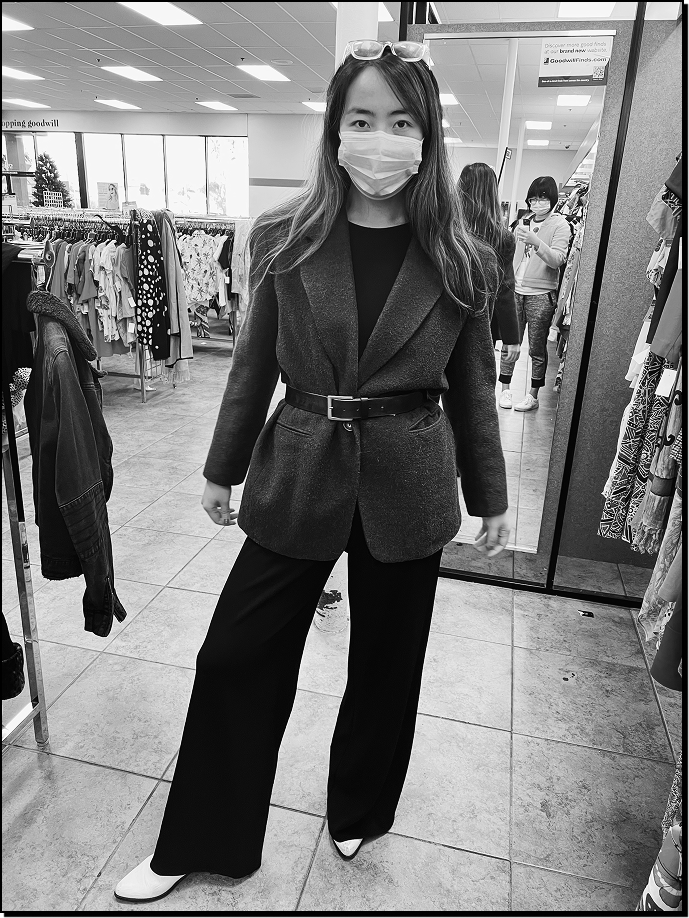
Sometimes it’s okay to just try something on, play dress-up, and then walk away.
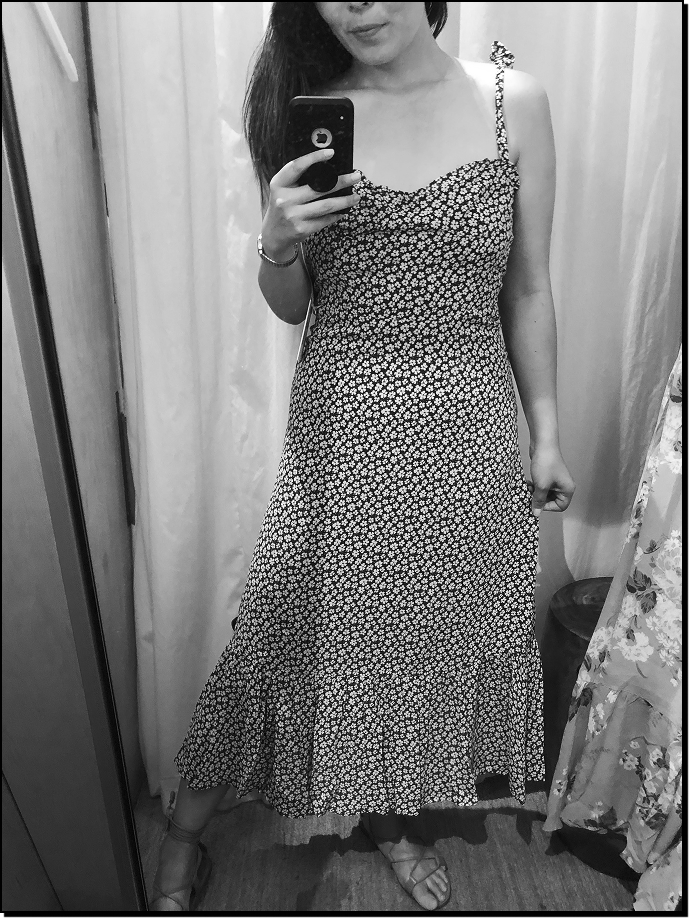
Looking back, I see that shopping was never just a practical errand. Even when I “needed” school clothes, it was a hobby I felt compelled to participate in…keeping up, staying current, and finding short-lived satisfaction with every purchase. American capitalism makes it dangerously easy to fall into that cycle, where low prices and constant sales turn consumption into a form of addiction. Acquiring more is sold as the ultimate American dream.
I want to do better.
“It is the preoccupation with possessions, more than anything else, that prevents us from living freely and nobly.”
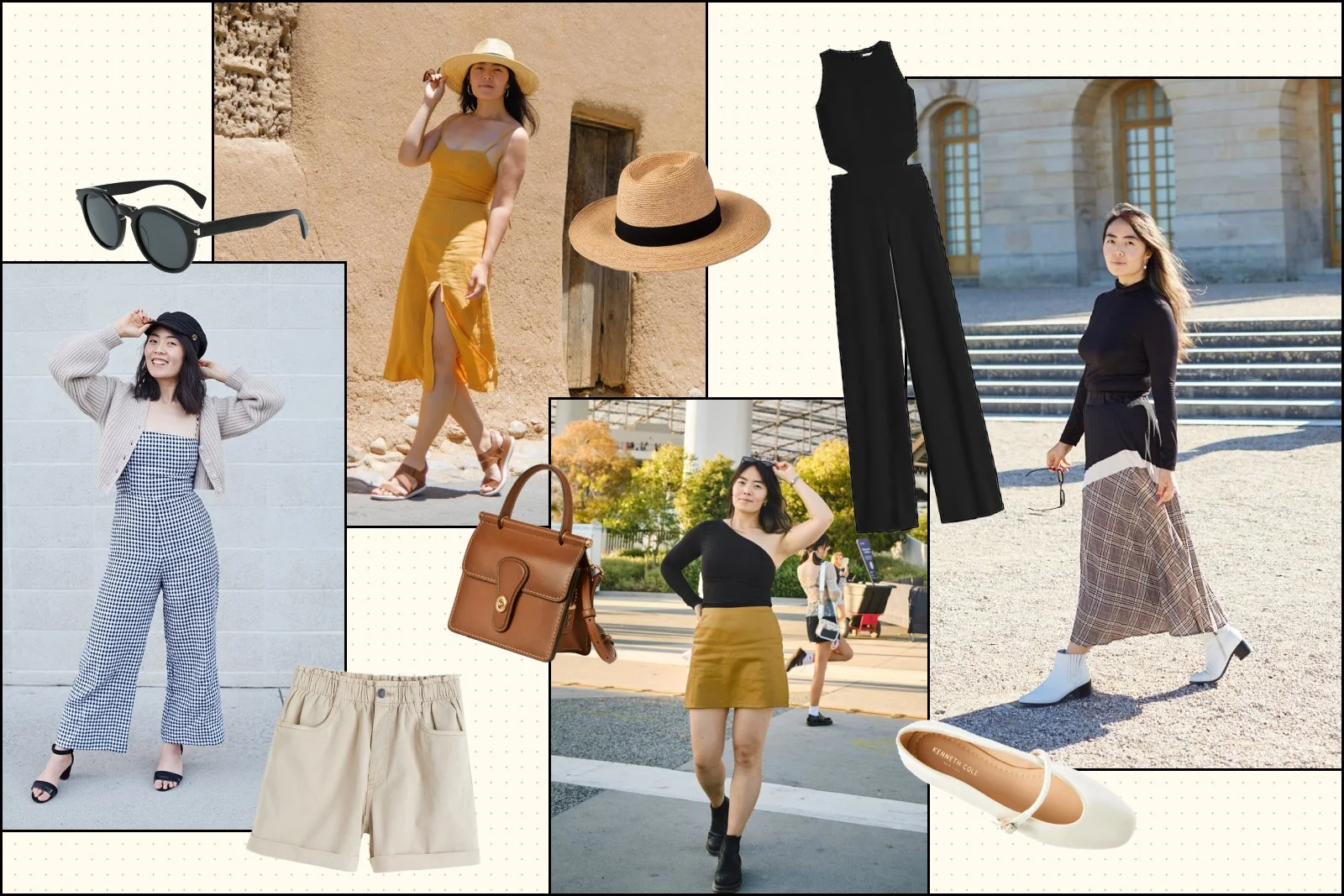


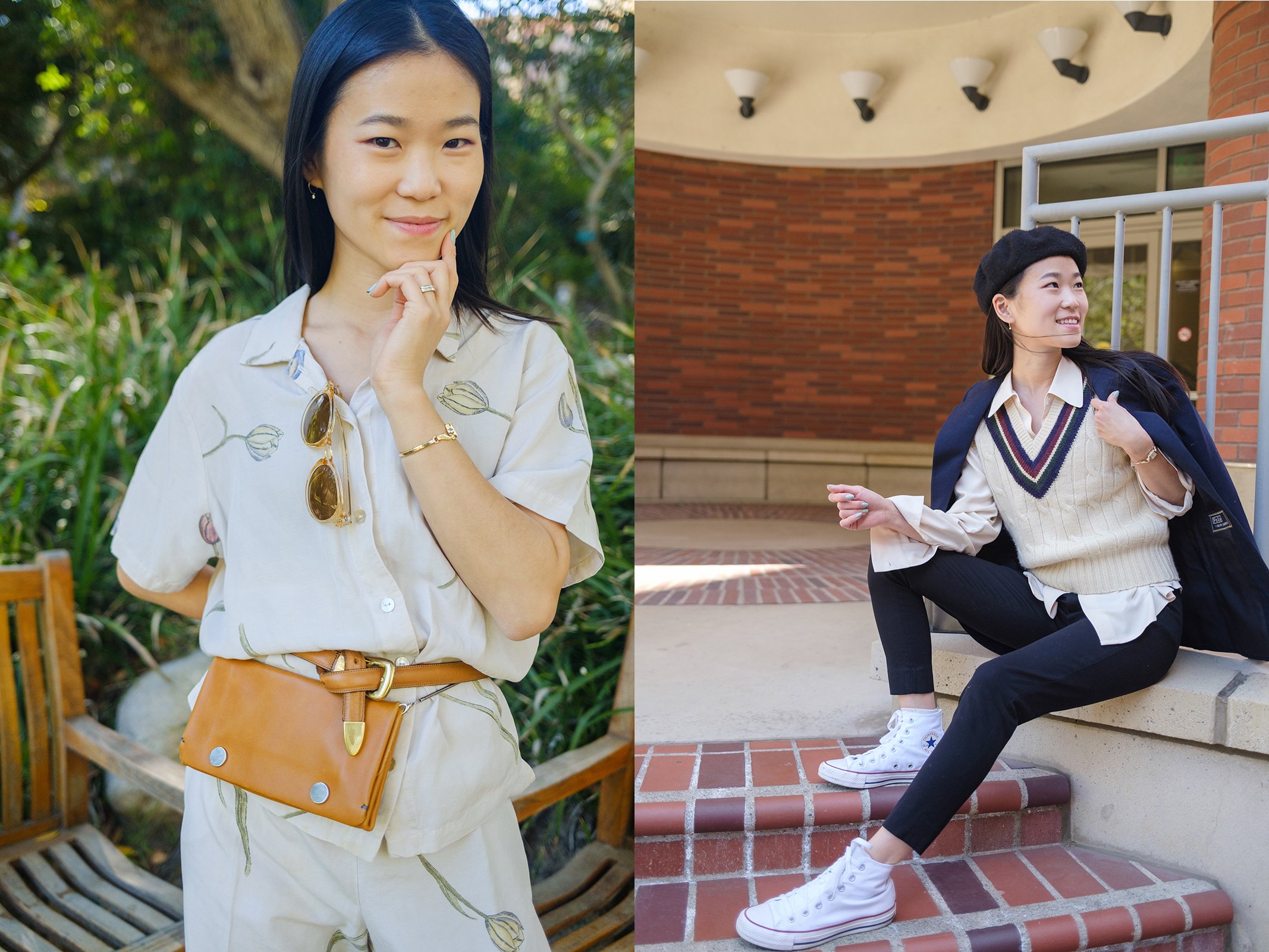
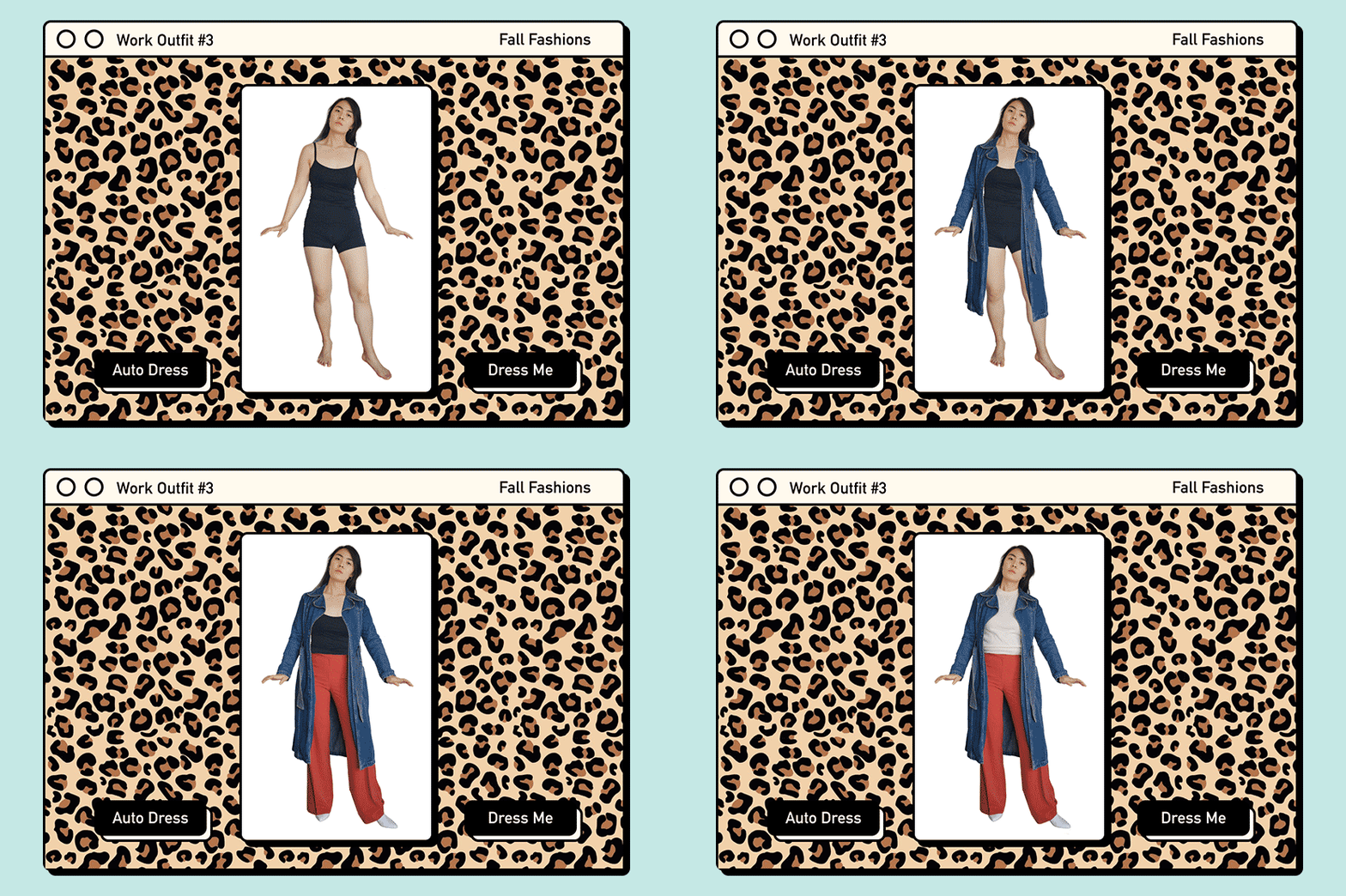


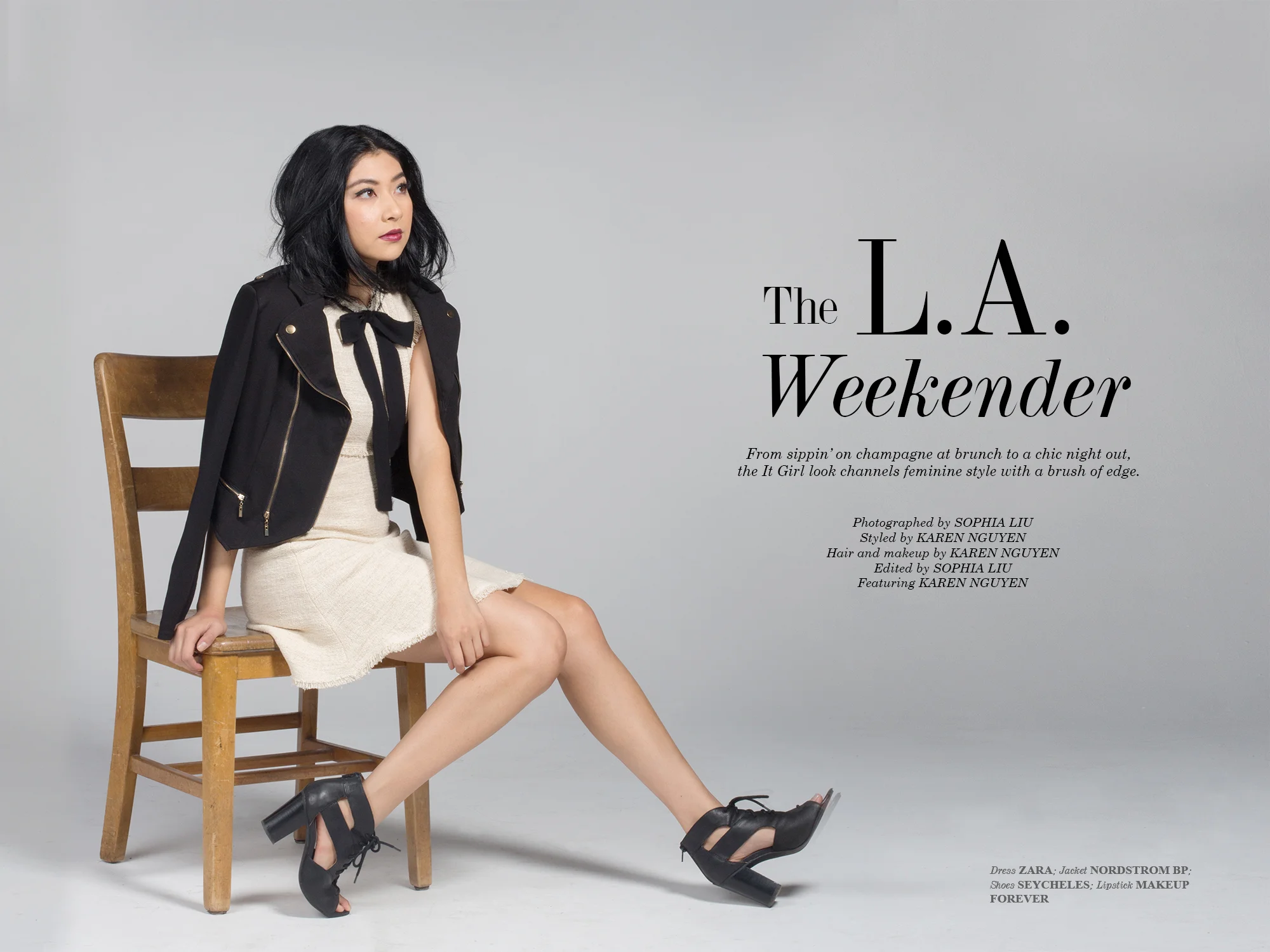
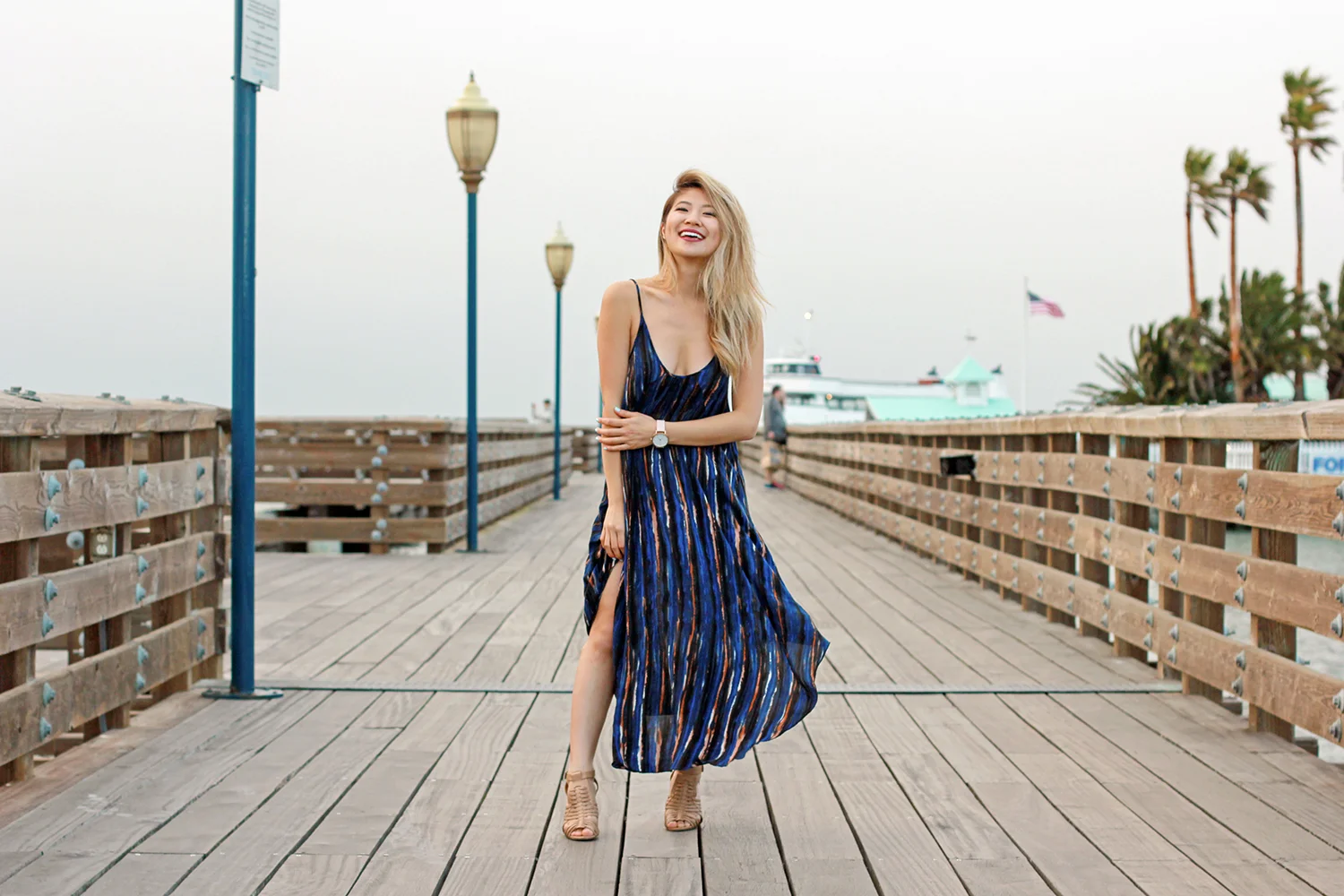

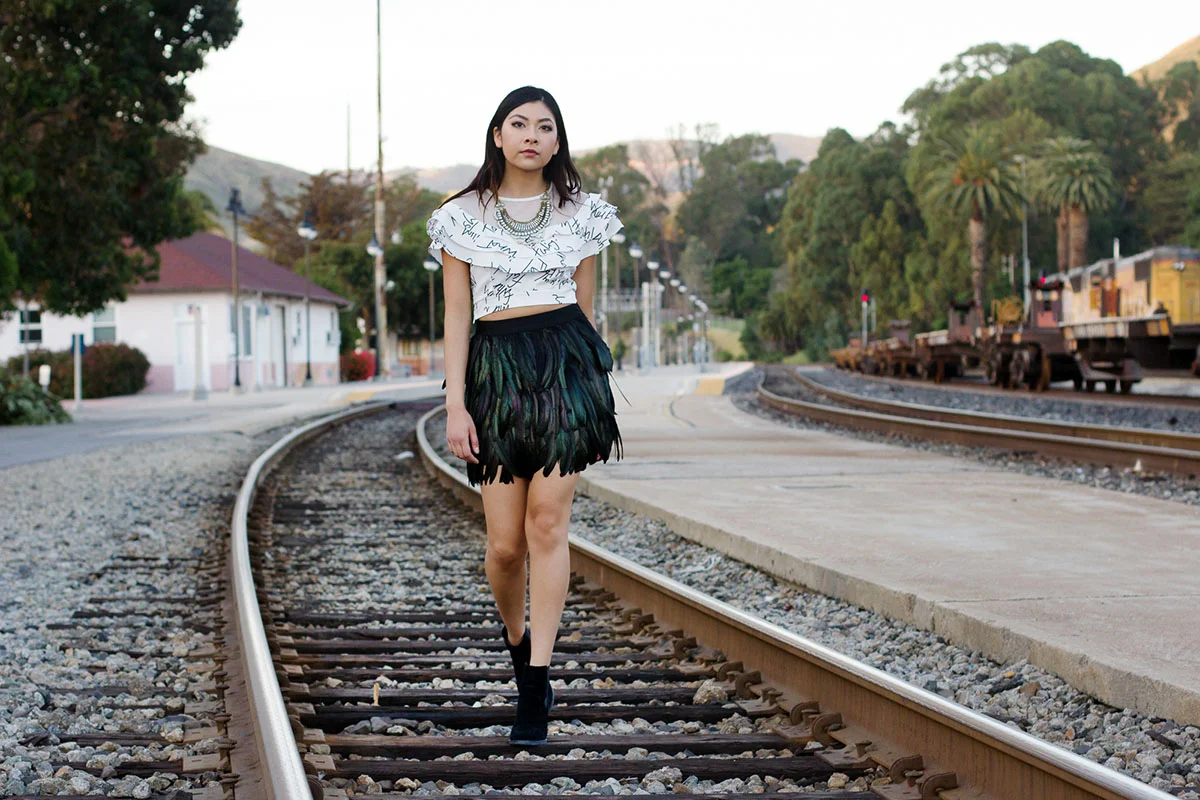

Browse your wardrobe, build outfits (manually or with AI), save looks, and plan packing lists for trips. I finally built my version of Cher’s closet (with zero technical knowledge).