Things I learned from my 4 years at Meta (so far)
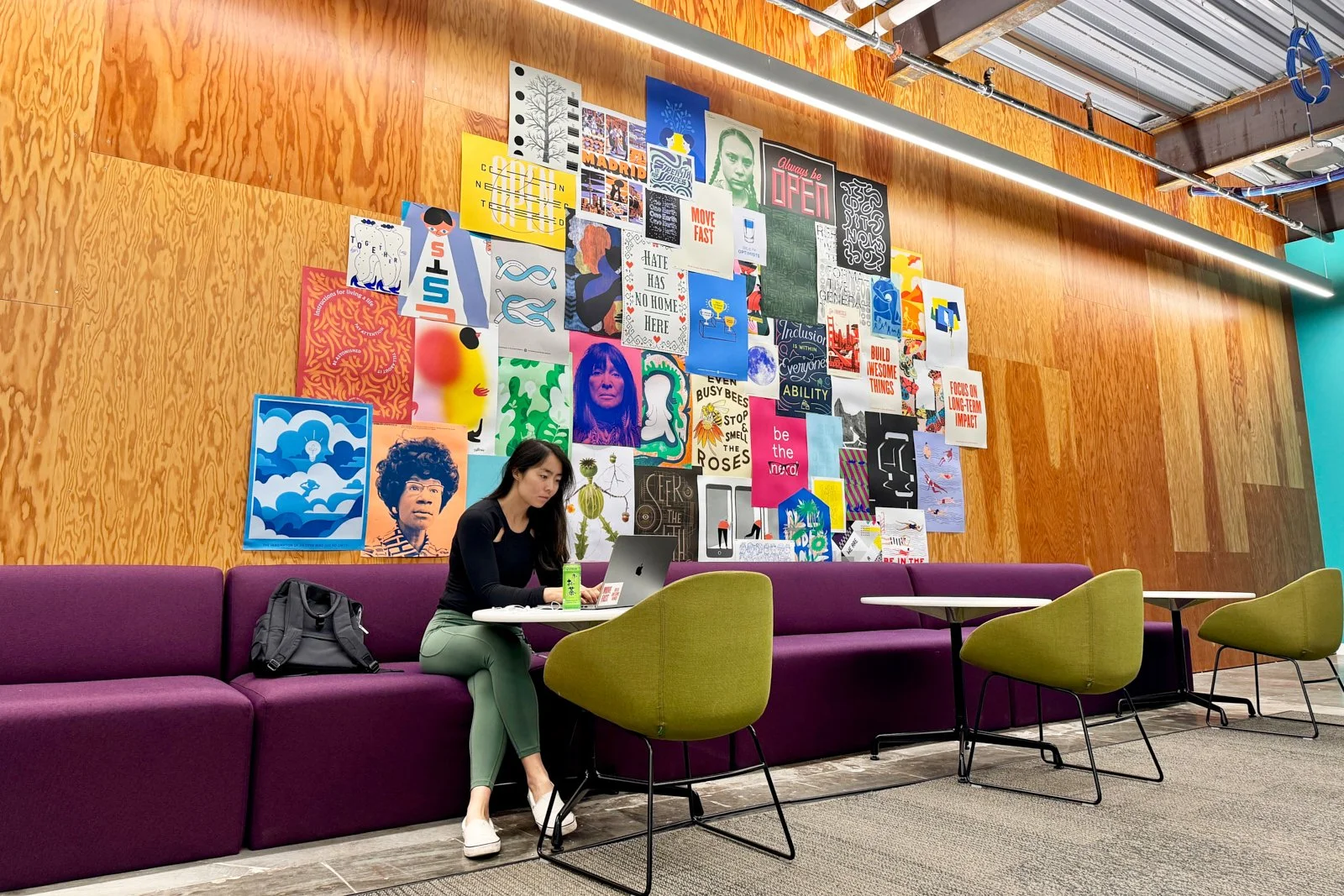
As of today, I've officially spent four years at Meta as a product designer. It's been a wild ride since the wide-eyed early days, and I figured it was time to jot down some things I've learned along the way.
On joining a new team
Everyone calls onboarding "drinking from a firehose," and they're not wrong. Ask a lot of questions, but don't panic if you're not absorbing everything. Chances are, nobody fully understands 100% of it either. Soon enough, the same concepts, jargon, and acronyms will resurface again and again, and you'll figure it out.
Fresh eyes are an asset. Poke holes in hypotheses. Not every historical decision was a good one, and data and research can both be skewed. Experimentation is the gold standard, but your intuition matters too… use it early and often. Even if you haven't been on a team long, you were hired for your unique perspective.
When you hit ambiguous territory, run an audit. Dig into historical context, and borrow knowledge from everyone around you. Odds are no one has the full picture either. Do this well, and you become the expert.
On collaboration
Everything here is an enormous group project — it’s a fact you must accept if you want to succeed in corporate. Team alignment often becomes a bigger part of the work than the design itself. Every team has its processes, with varying degrees of flexibility, and learning how to plead your case in a way that lands with your audience is a vital skill.
In a company this big and loud, it's also incredibly easy to overcomplicate things. The other skill is knowing how to simplify. Quality over quantity.
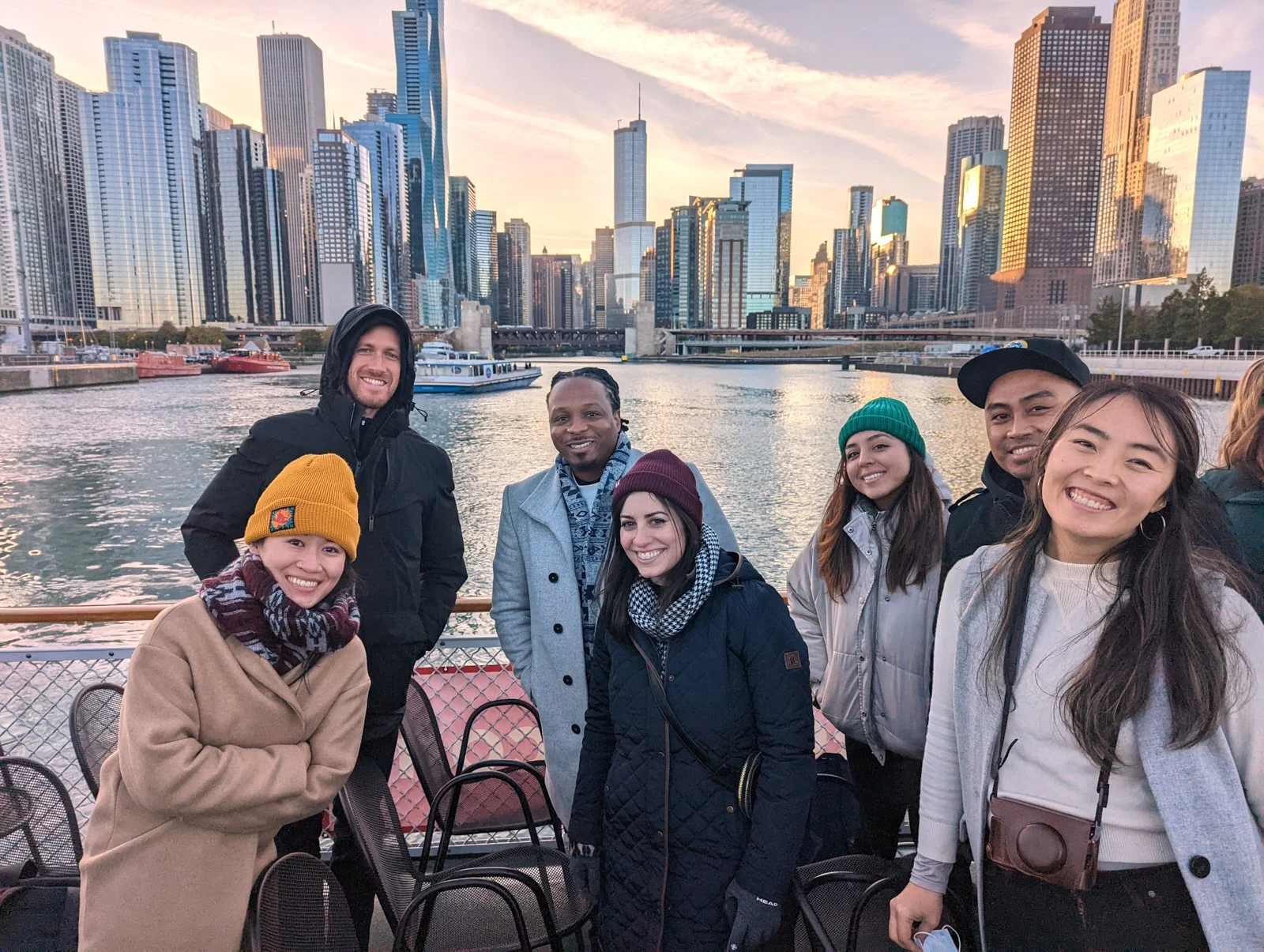
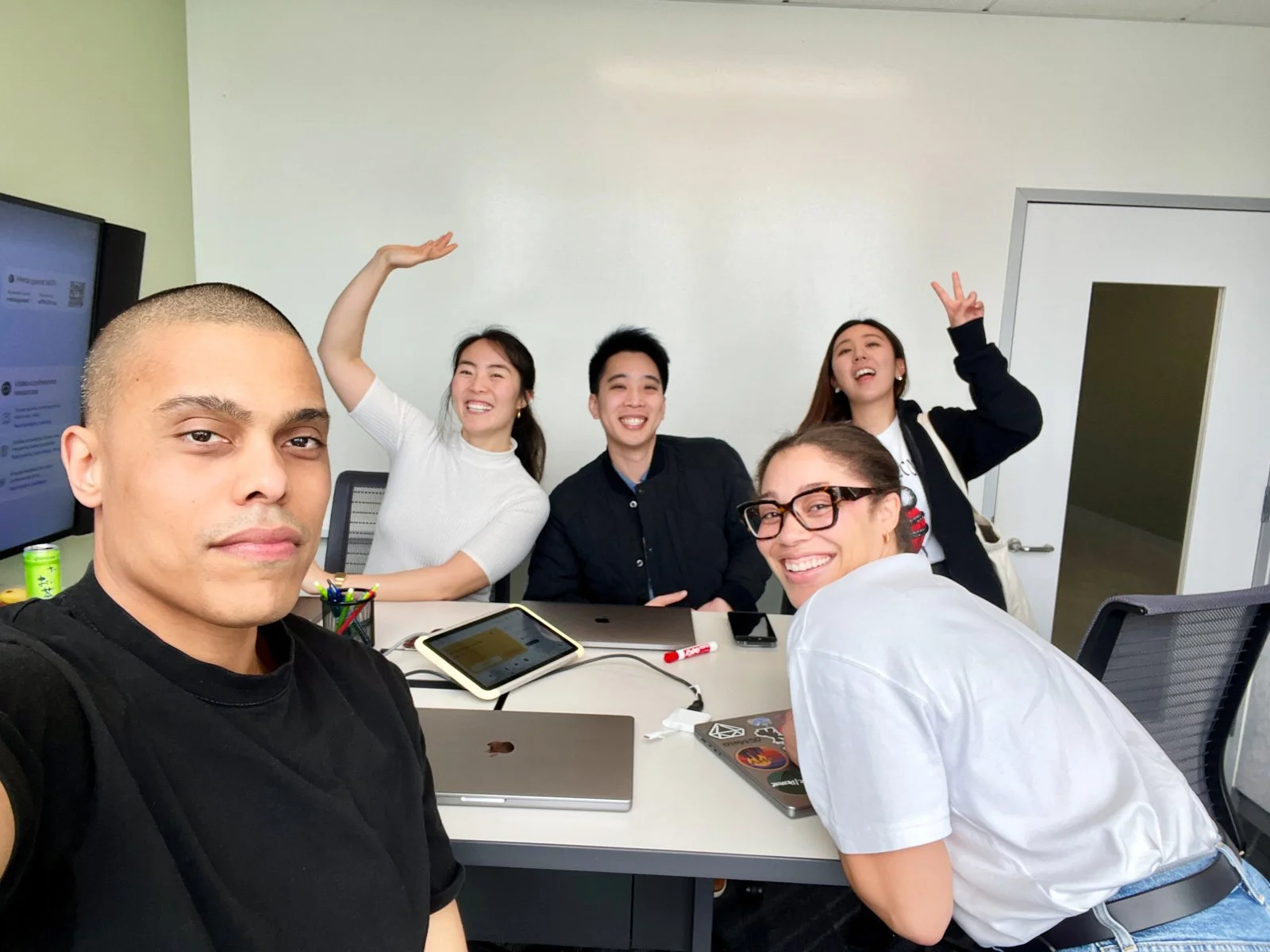
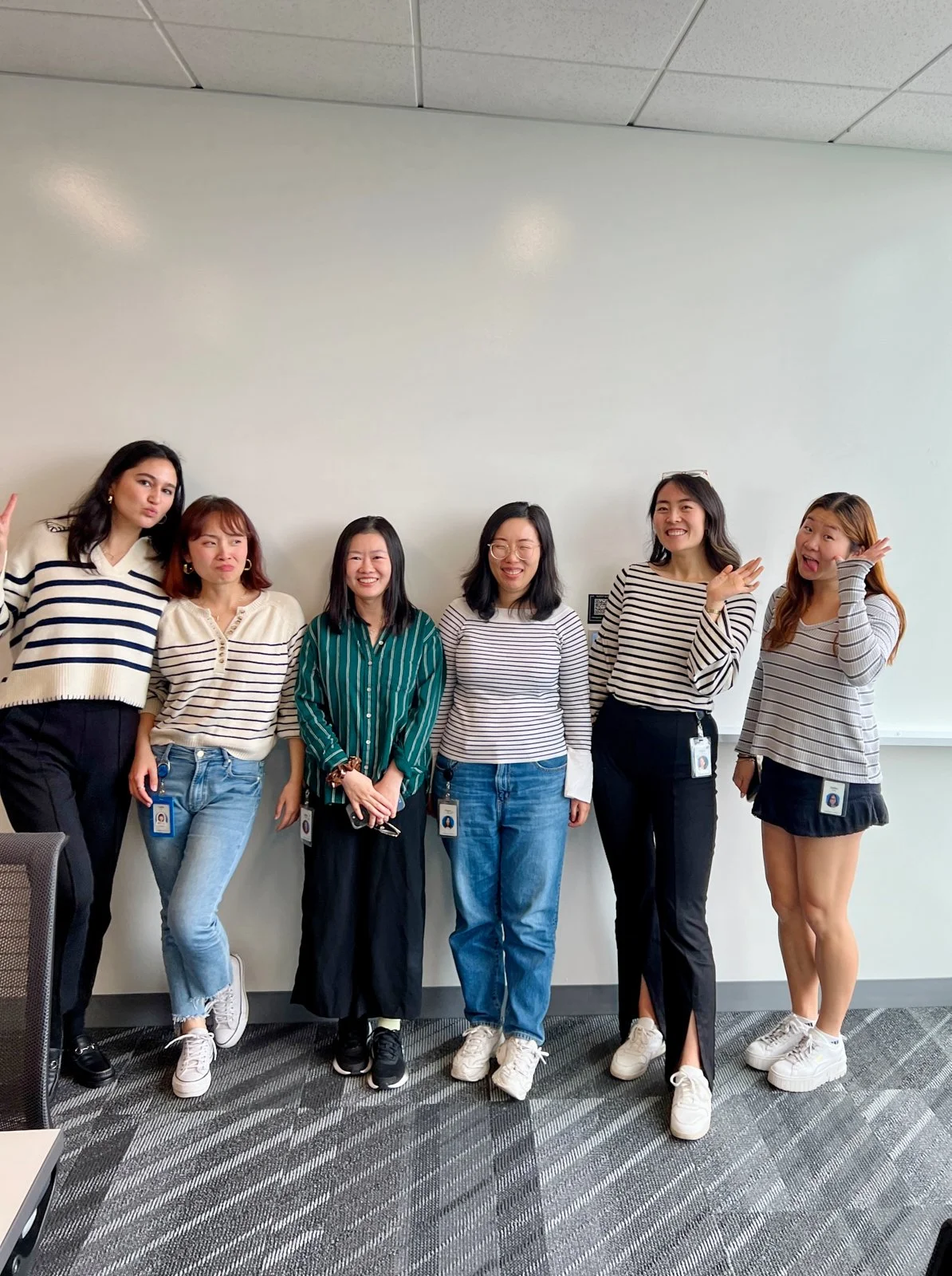
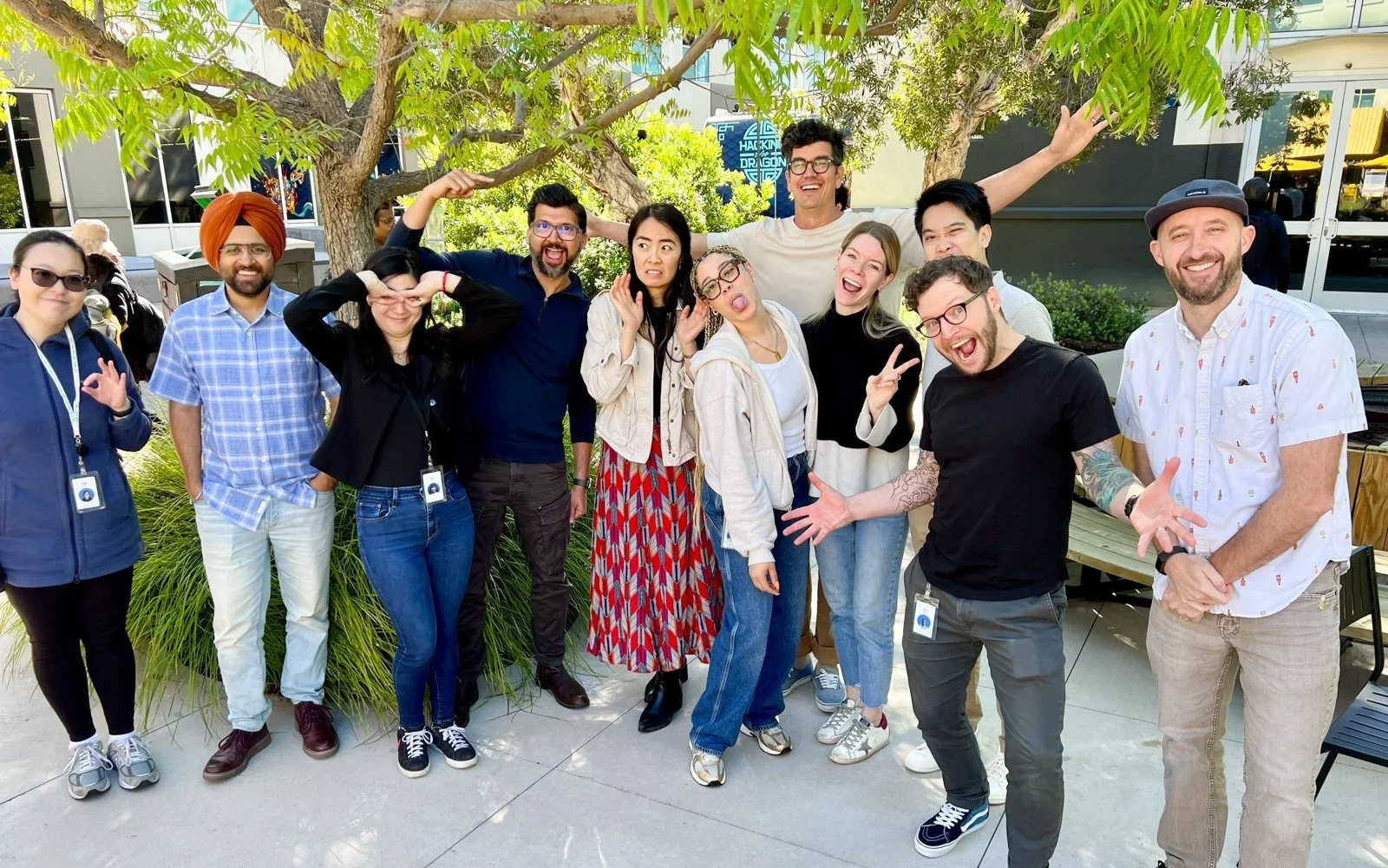
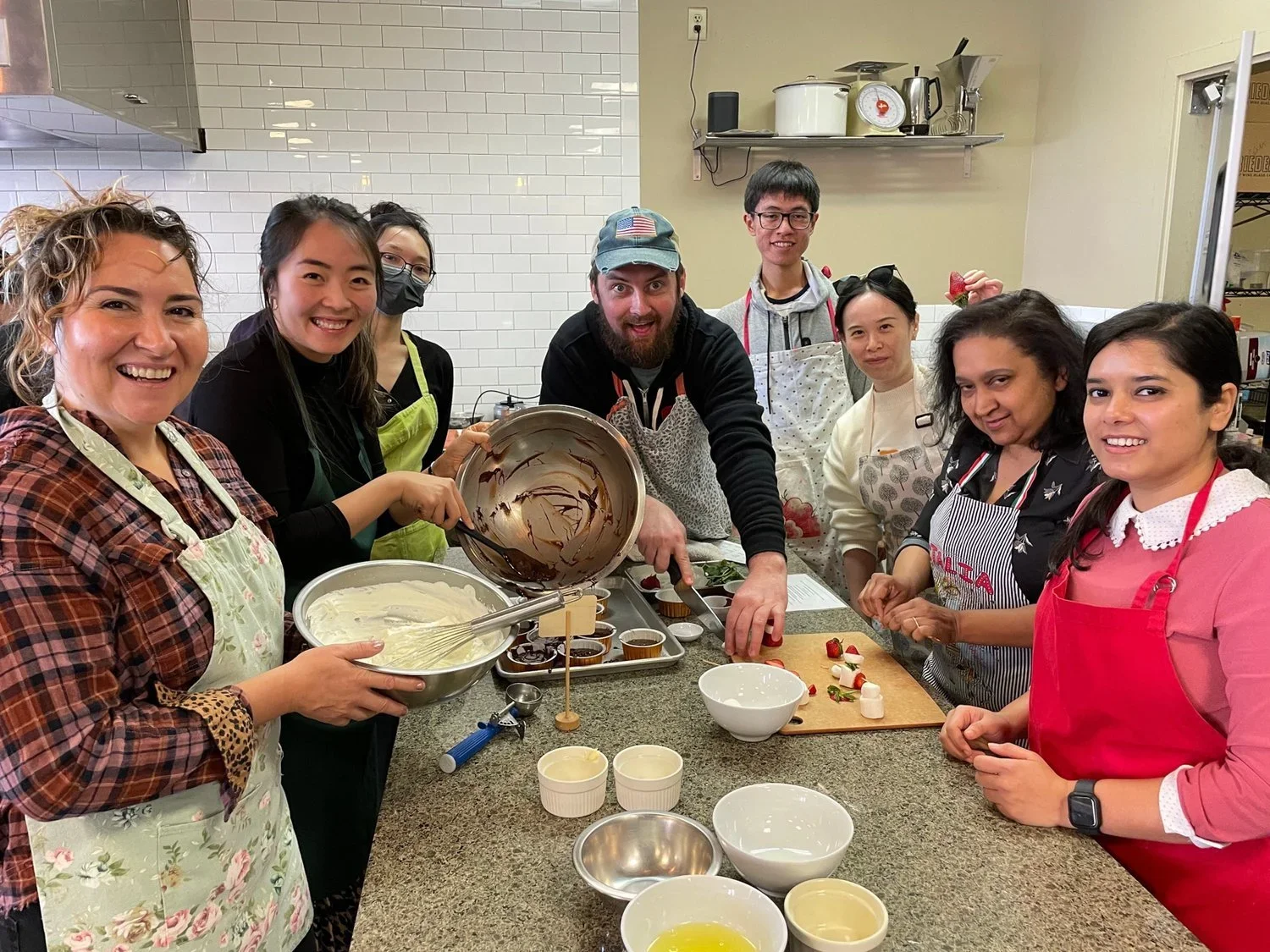
Lastly, remote friends don't come for me, but working in person is genuinely more effective. When you actually know your teammates, the work feels lighter. I always joke that a job is just a bunch of professional adults assigning homework to each other. But when you're friends with the people handing you that homework, it feels like you're all in it together.
On knowing when to grind
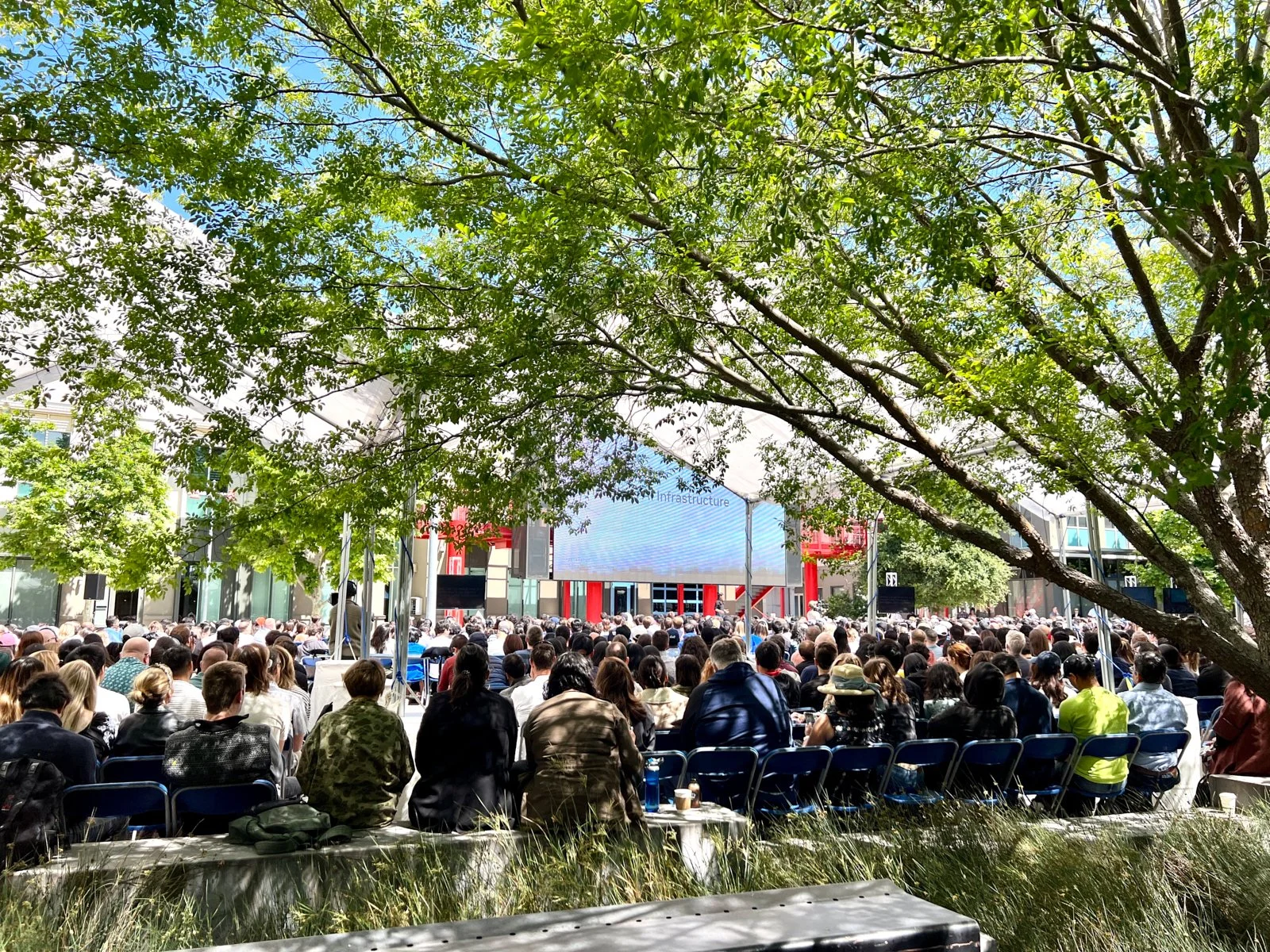
There are moments in the year when it's simply go time. Putting in extra effort during roadmapping and early in the half sets the momentum for you to influence everything that follows. The same goes for design sprints and the days leading up to leadership reviews. For just a few hours of extra work at the right moments, the payoff is real.
Work-life balance matters 90% of the time. But what you do with that other 10% — whether you grind or coast — will determine your career trajectory.
On expanding your scope & making opportunities
This company can be a genuinely bottoms-up environment if you make it one. As a designer, go beyond your lane. Put on a PM hat and push product direction, then put on an engineer hat and vibe-code a prototype. In a place full of noise, you’re the only one in charge of selling your ideas to make people recognize everything you bring to the table.
If you want to level up, start thinking in systems and frameworks. How can you build something reusable that outlasts your time on the team? Ship the right system and its impact compounds… and so does your influence. The same logic applies when people leave: step in and expand your role.
If an opportunity is so big it feels scary, say yes now and figure it out later. And don't underestimate the value of a cold DM. You can reach almost anyone here, which means you can learn almost anything. Never stop asking questions.
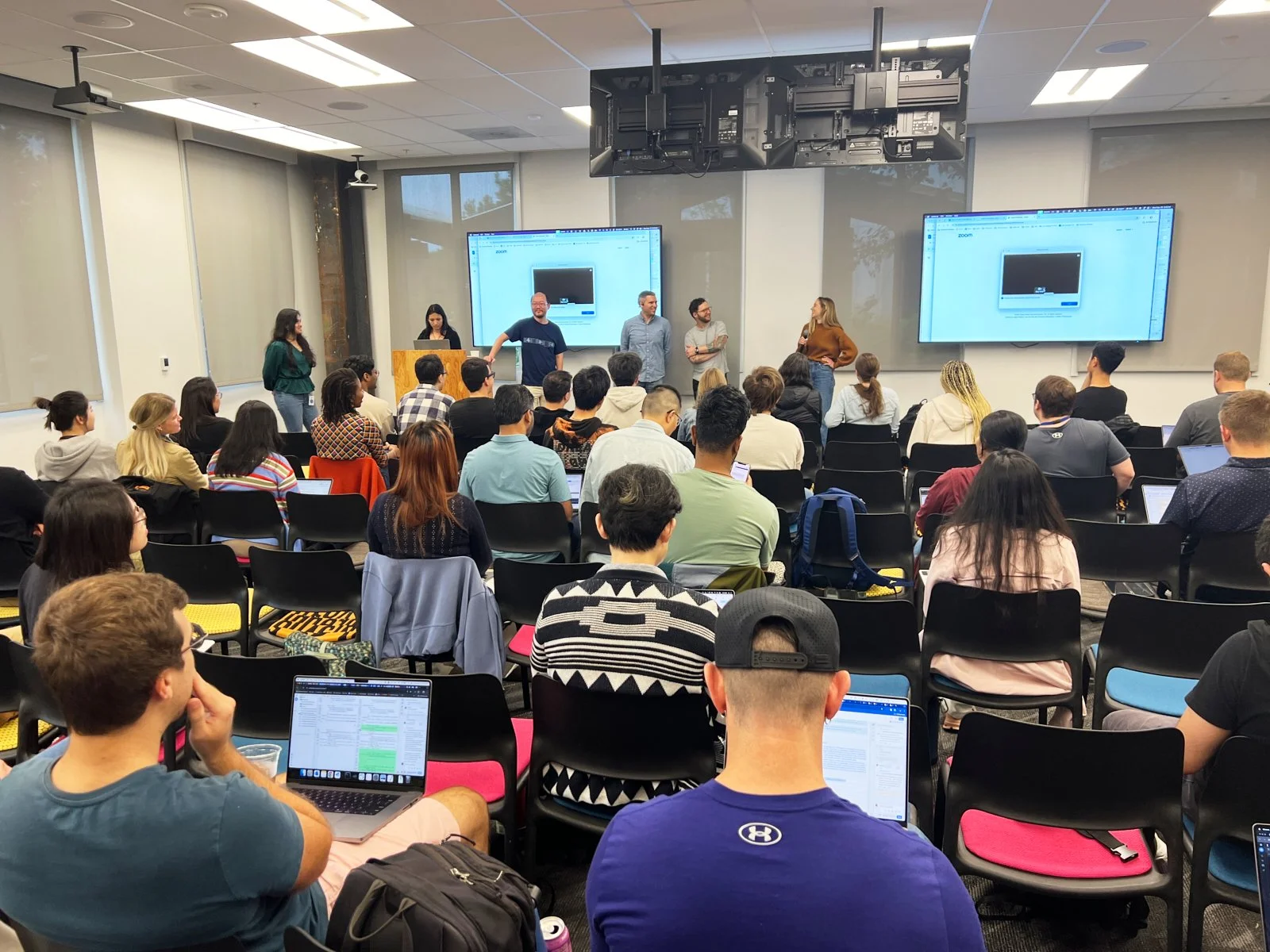
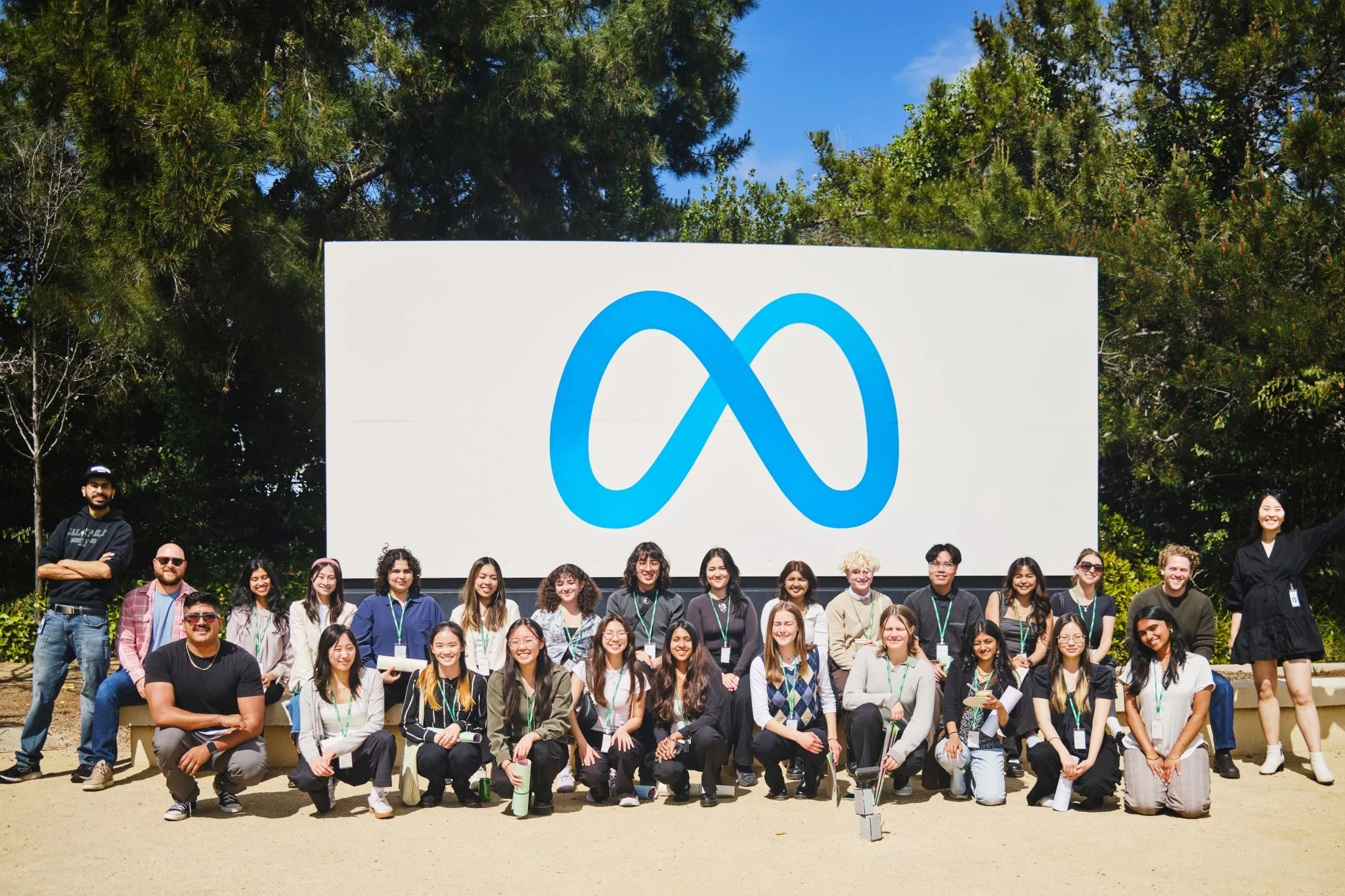
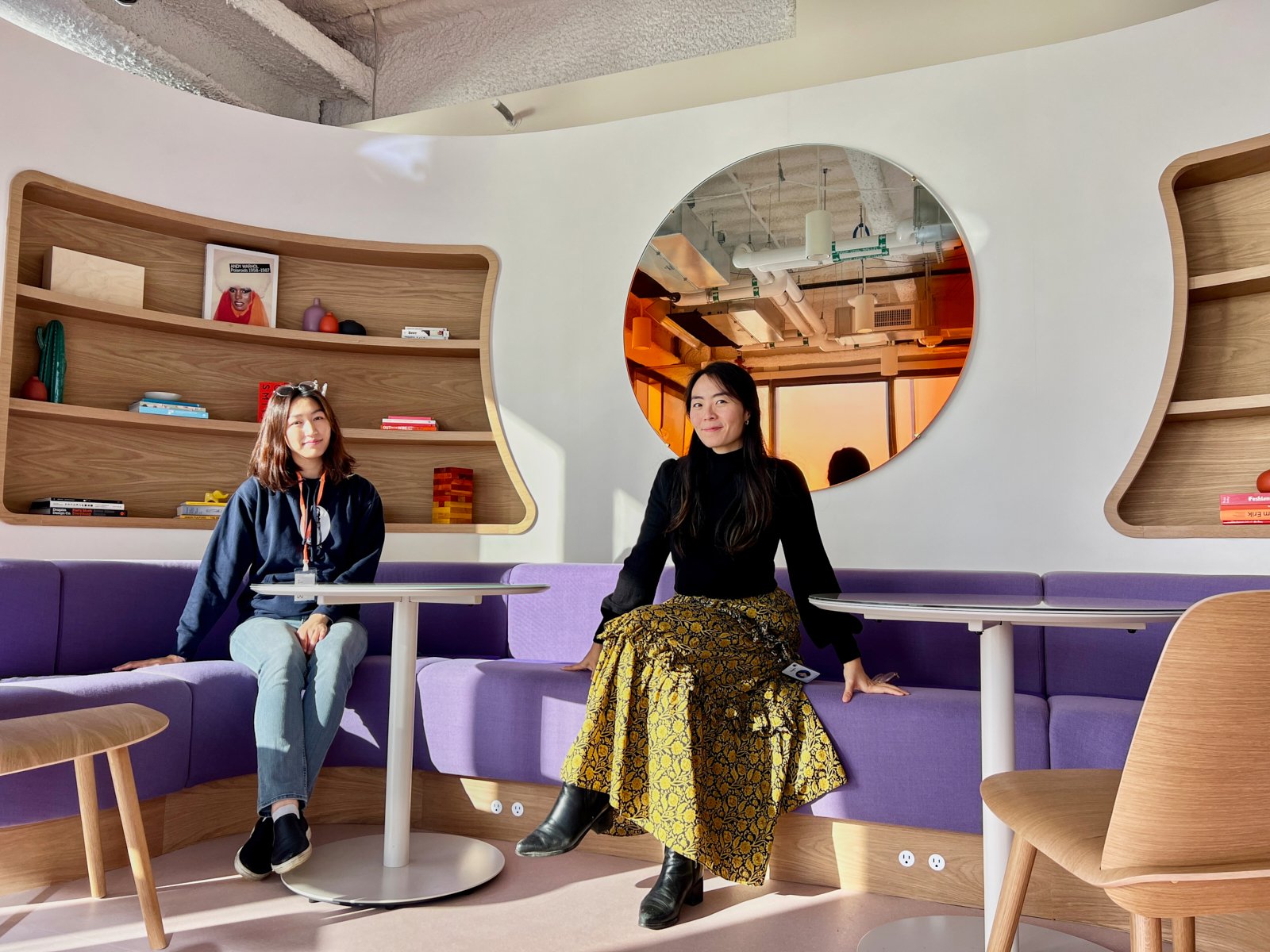
Make your own opportunities. For example, I reached out to recruiting to set up an event that allowed me lead students from my alma mater on an office tour. I said yes to a design sprint on a team outside my org that I had almost no context on. I helped onboard newer teammates when I was still new myself. So much of this felt uncomfortable and impossible at first, and then I just did it.
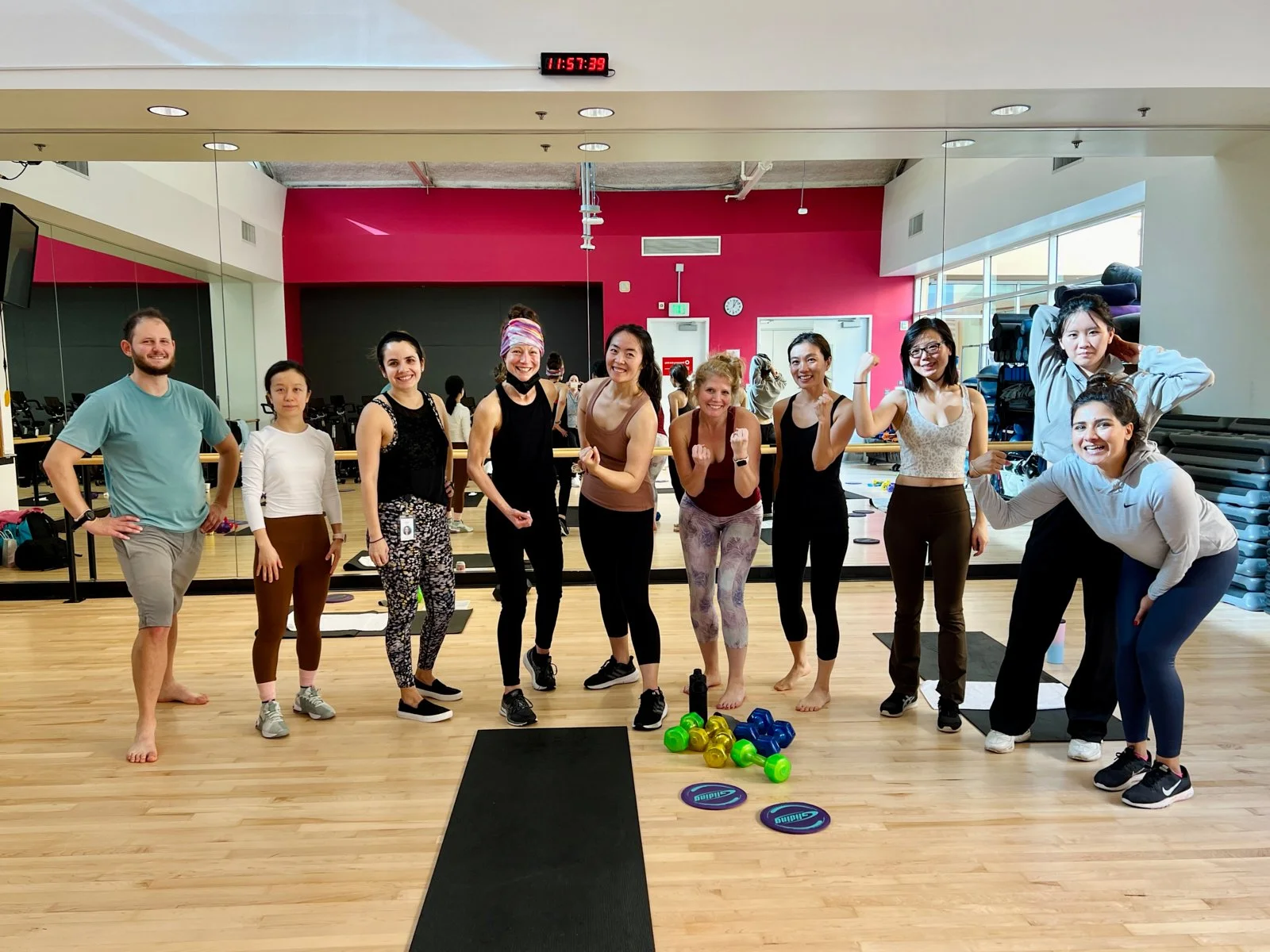
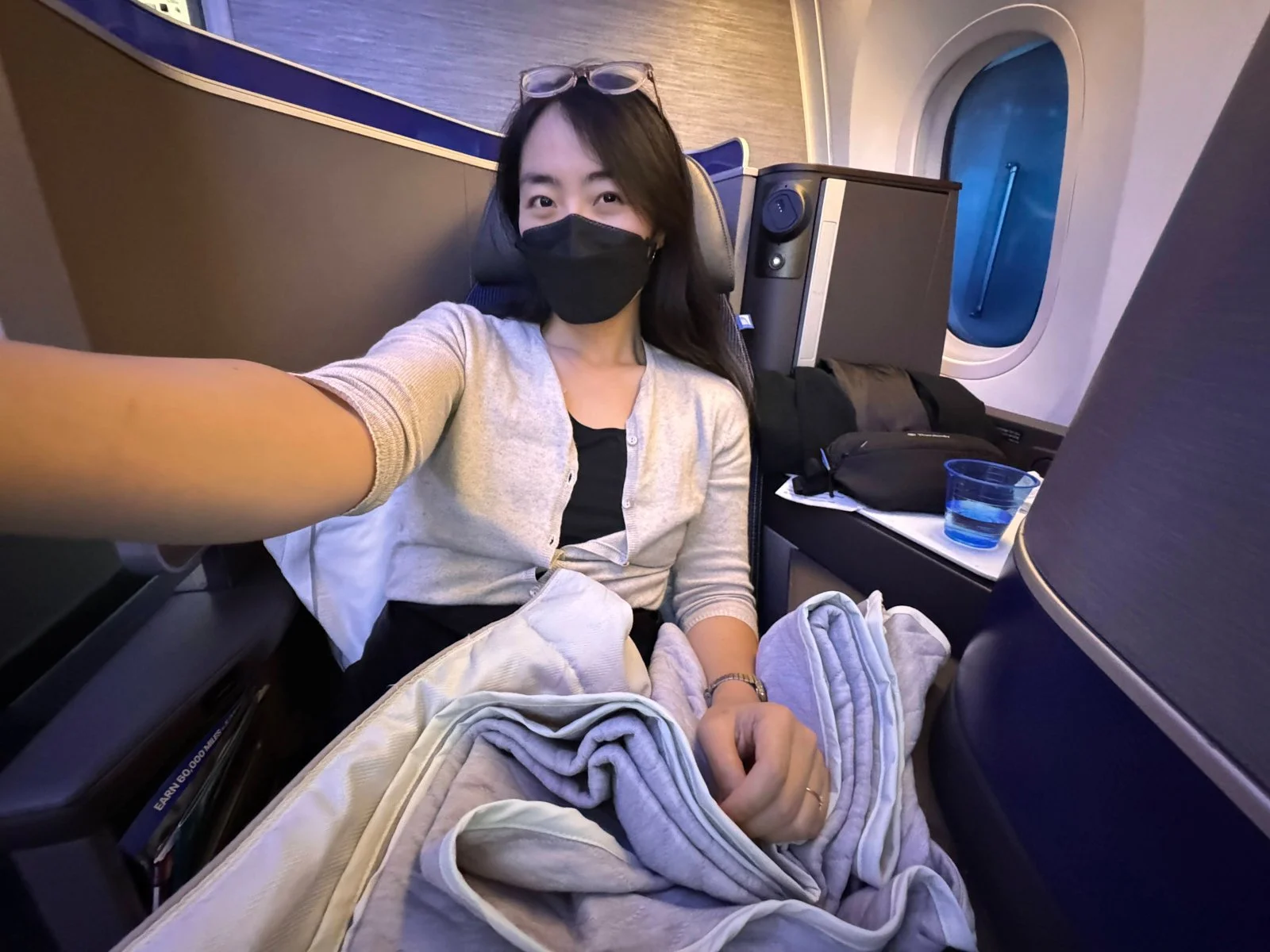
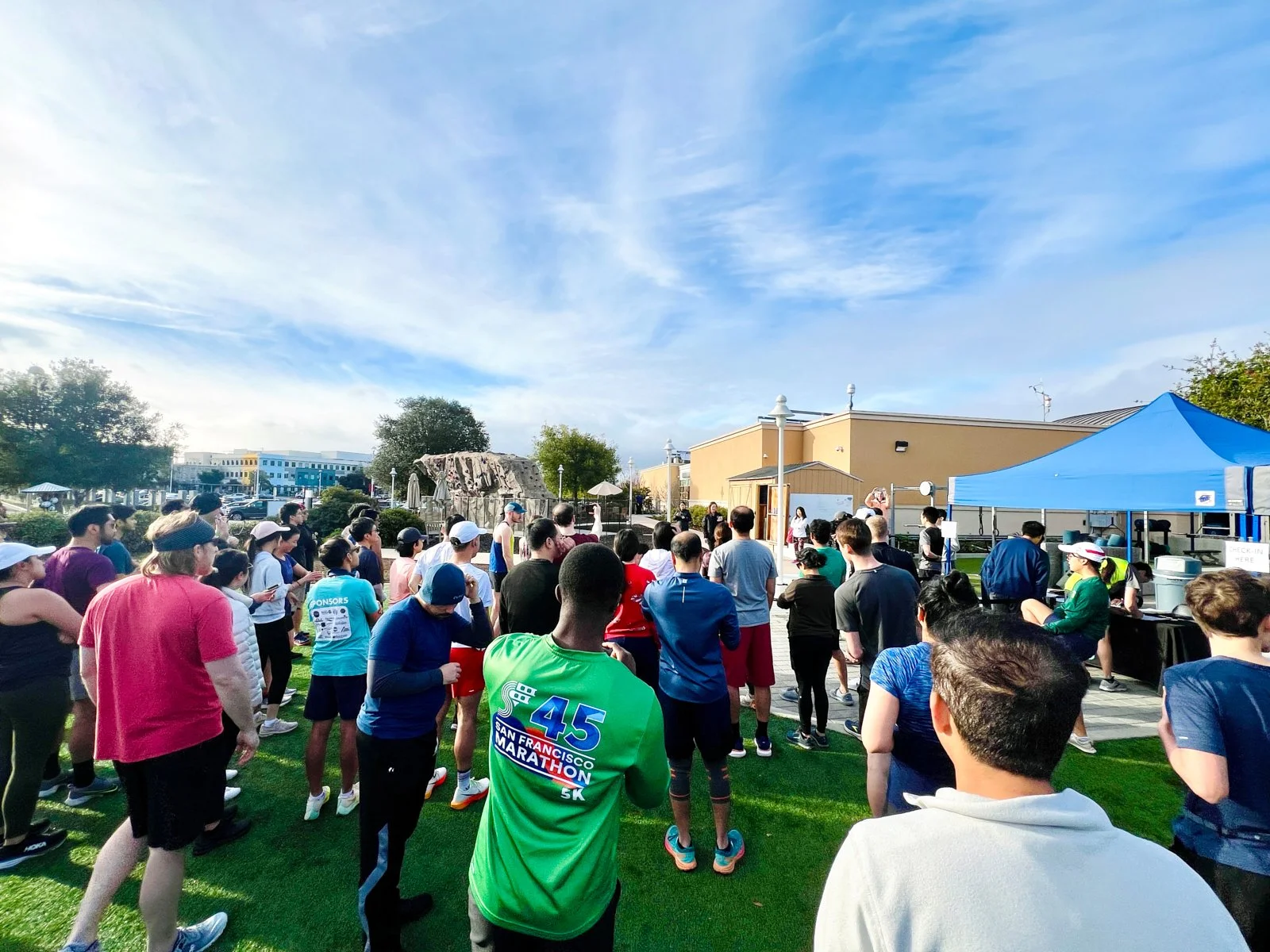
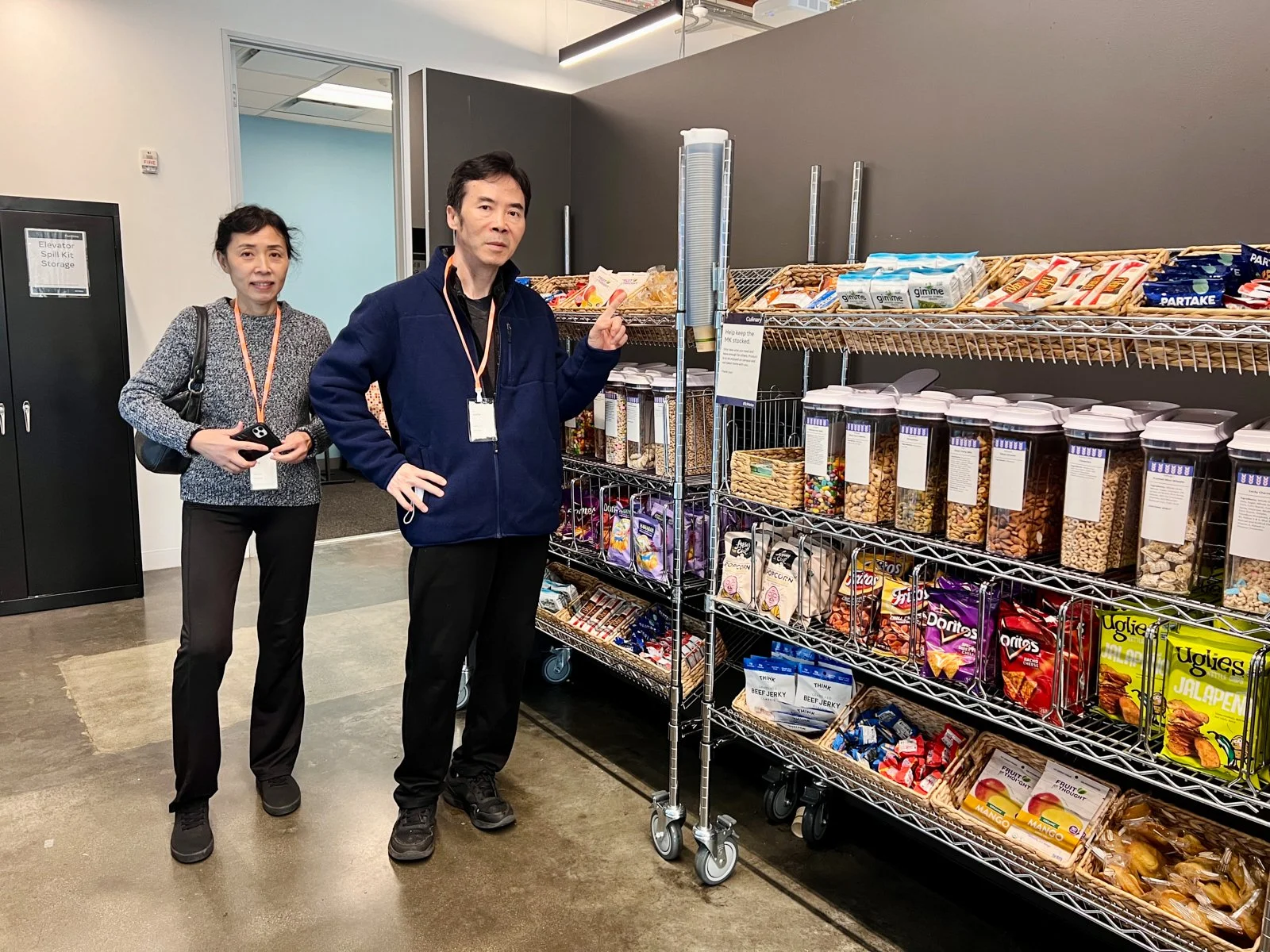
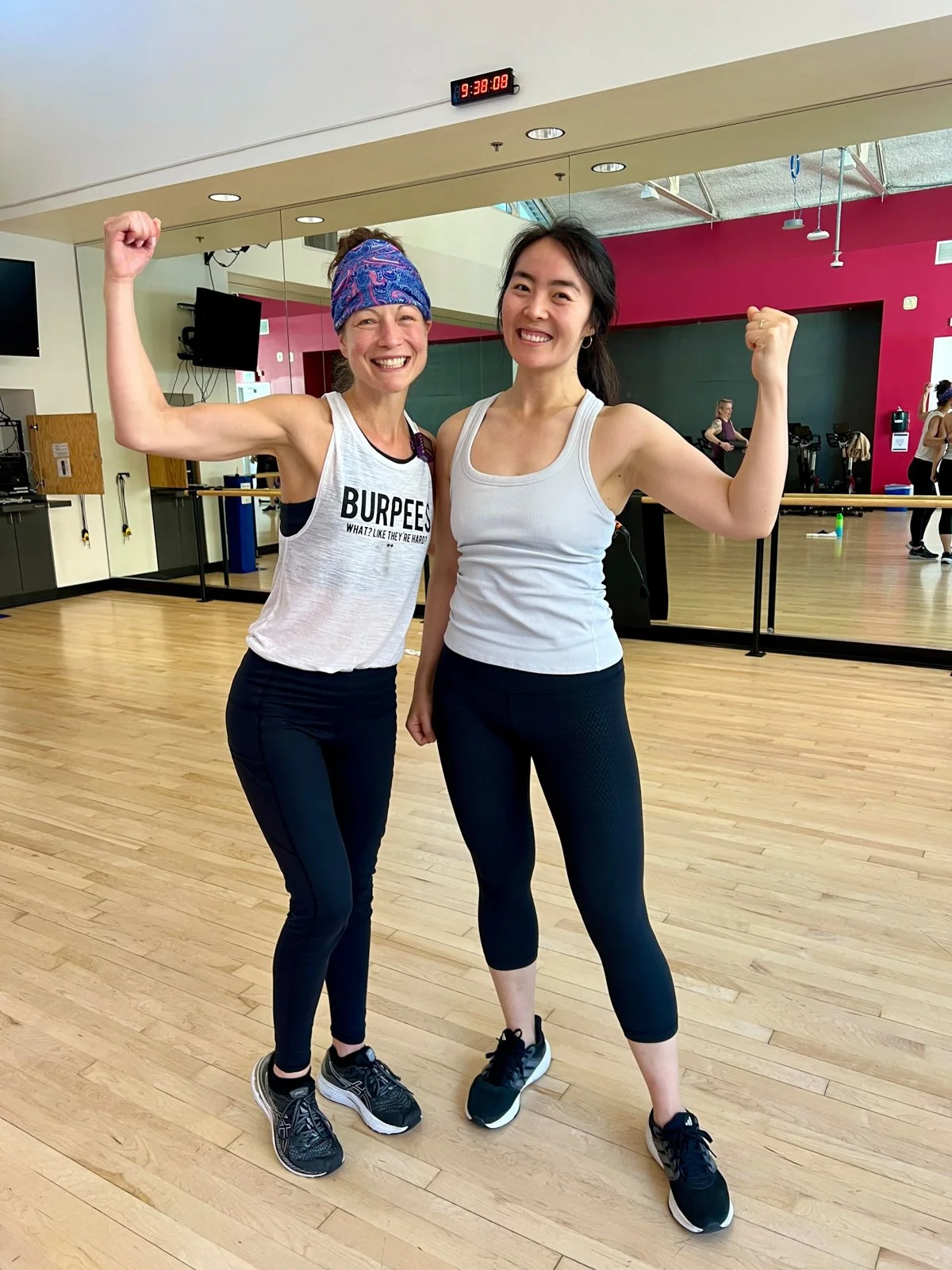
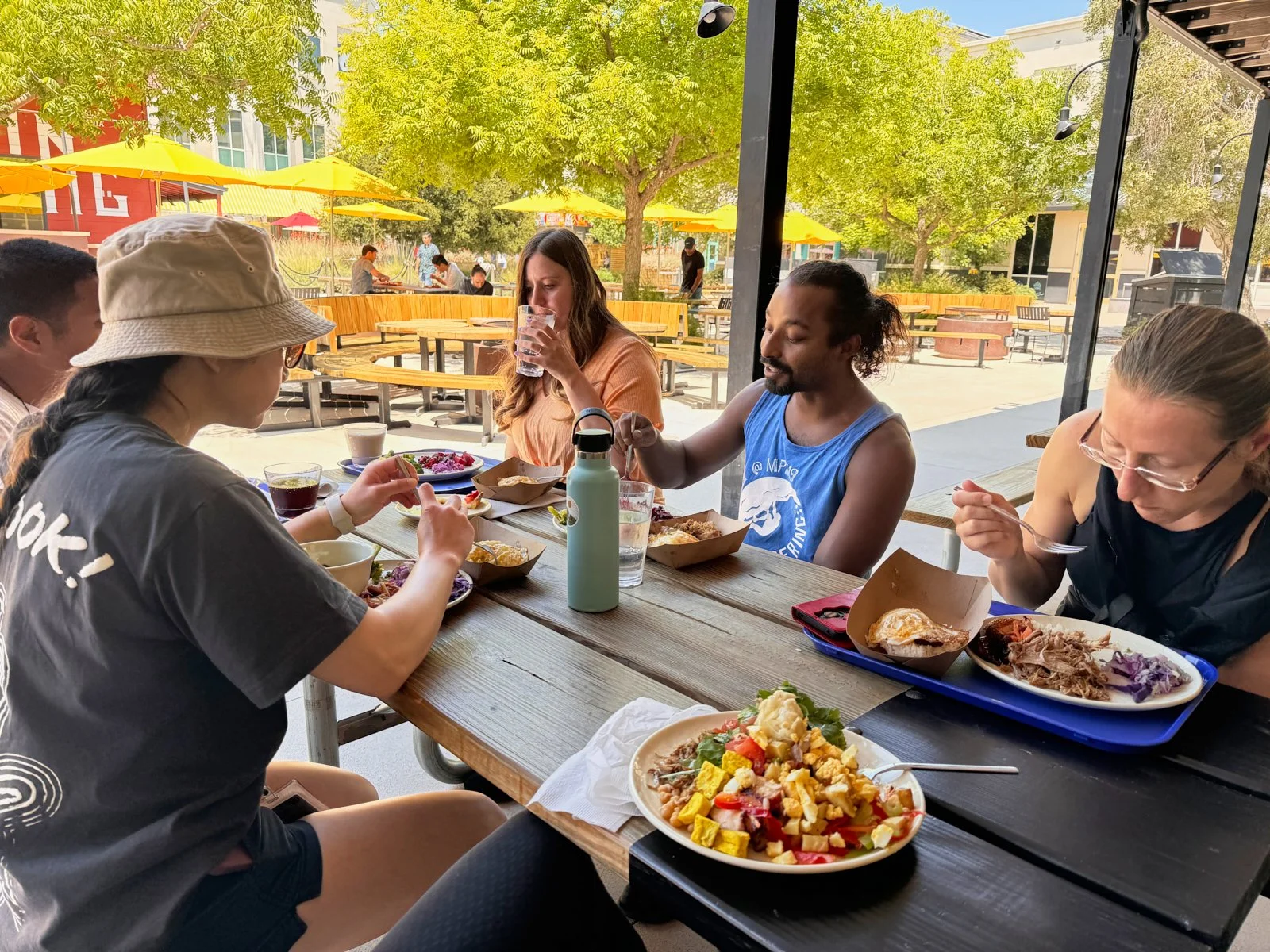
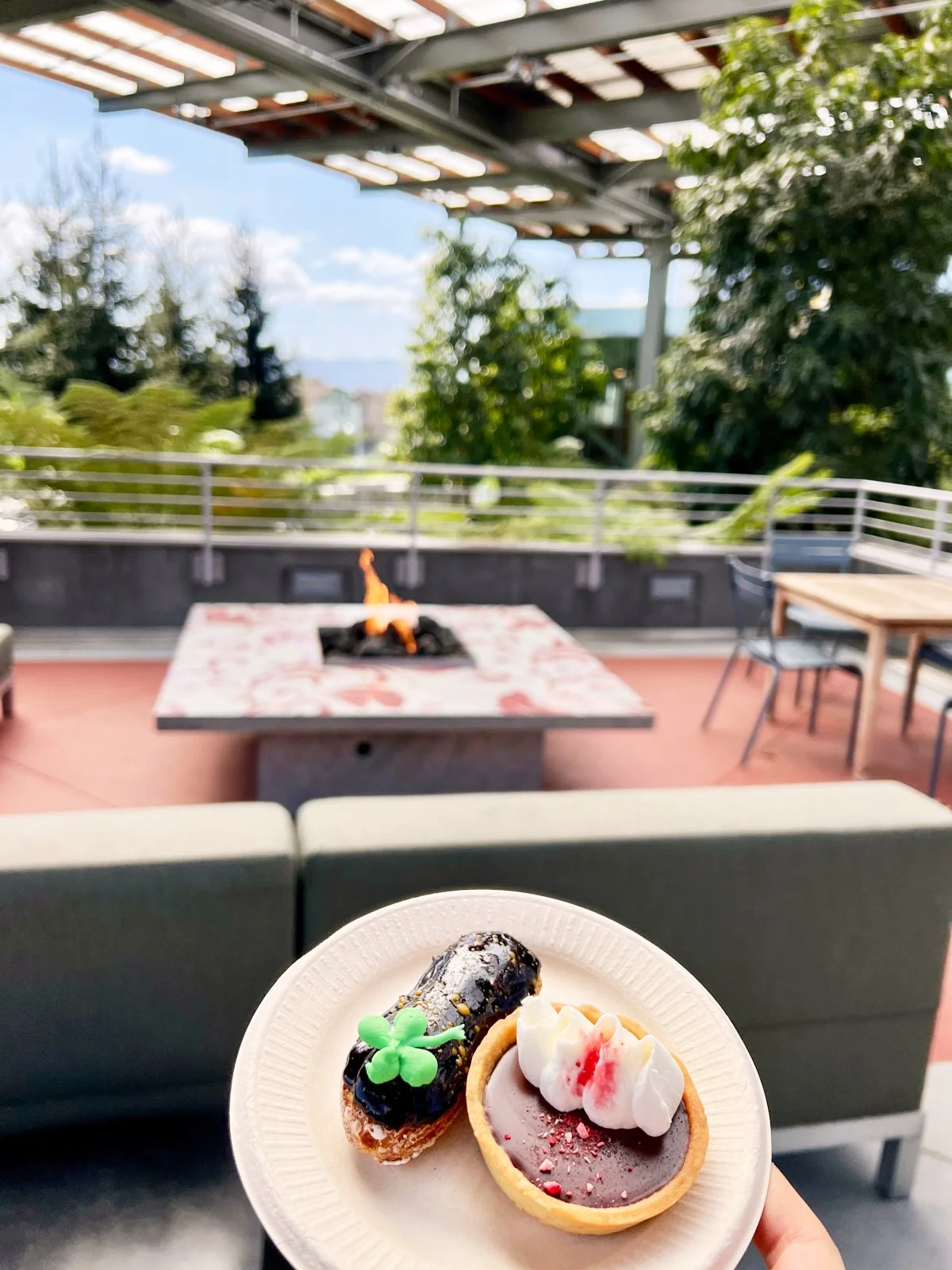
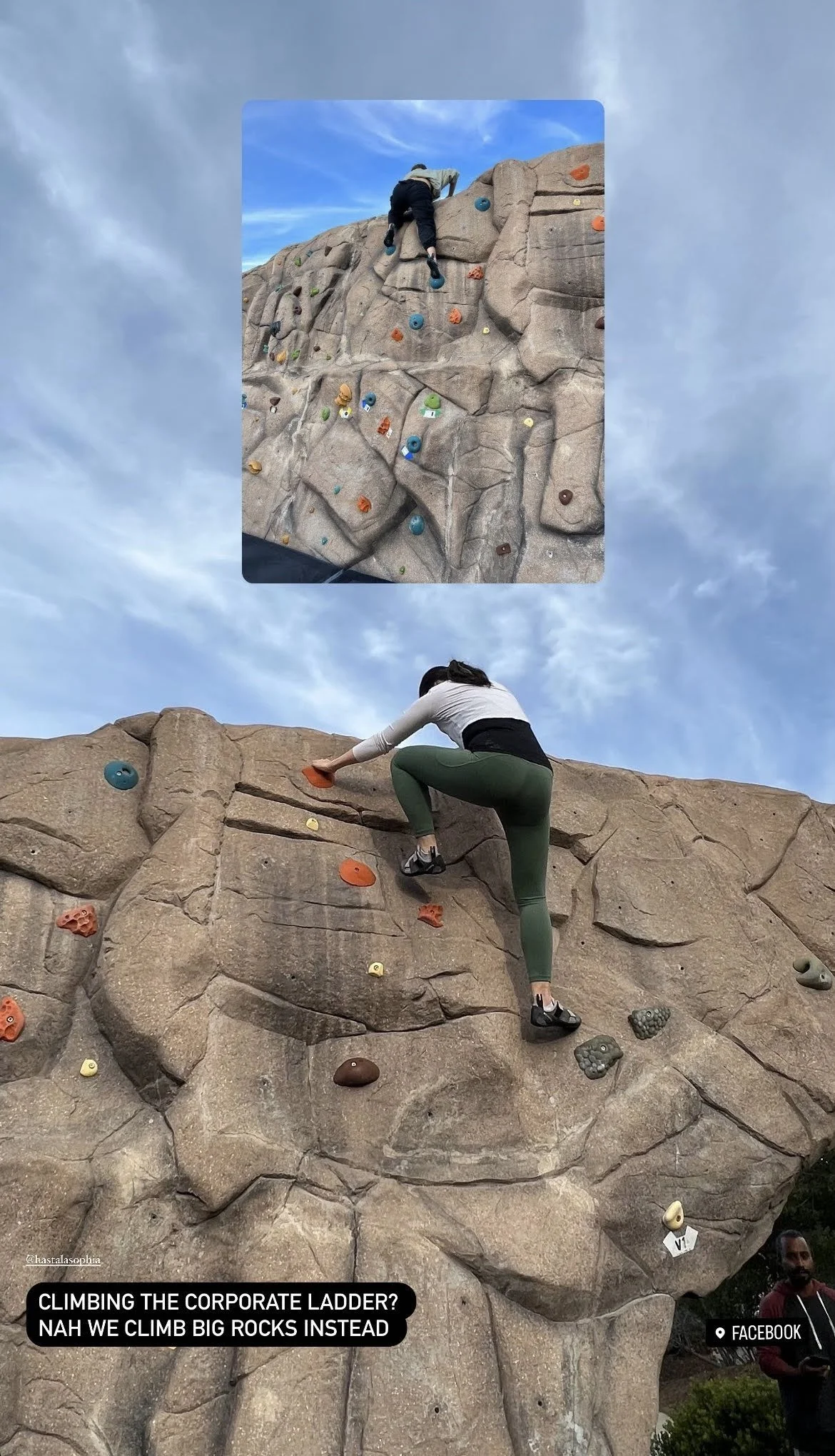
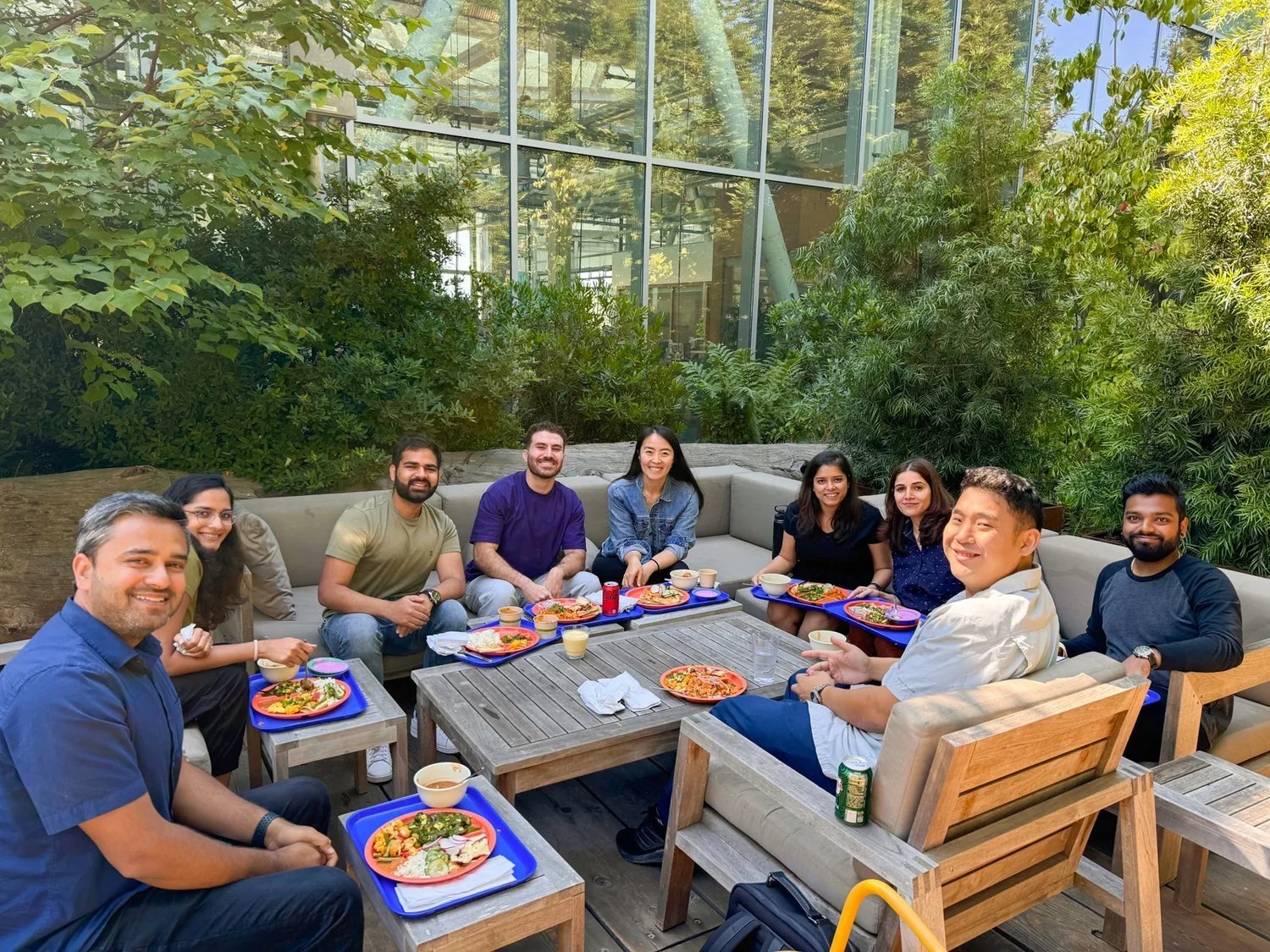
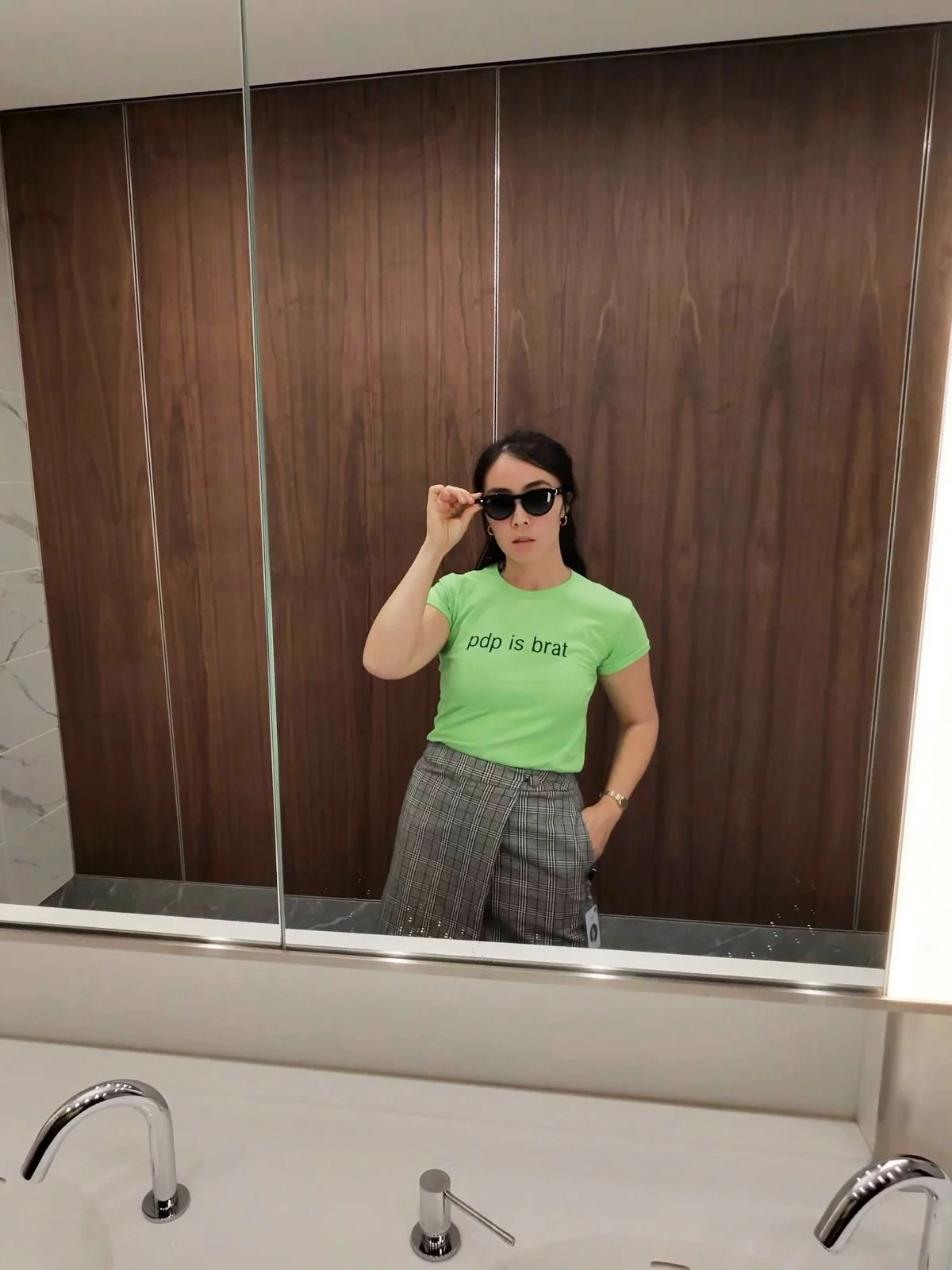
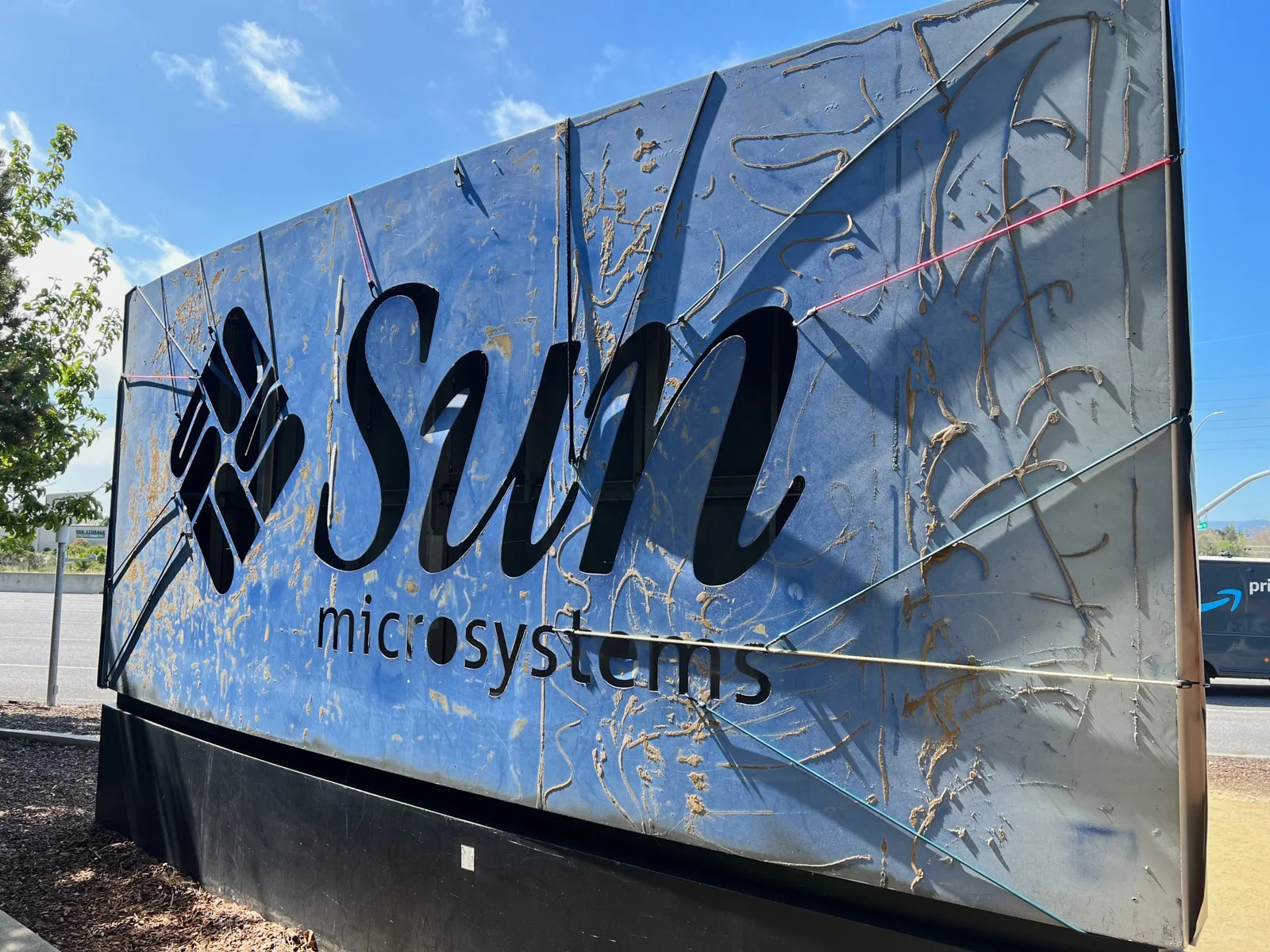
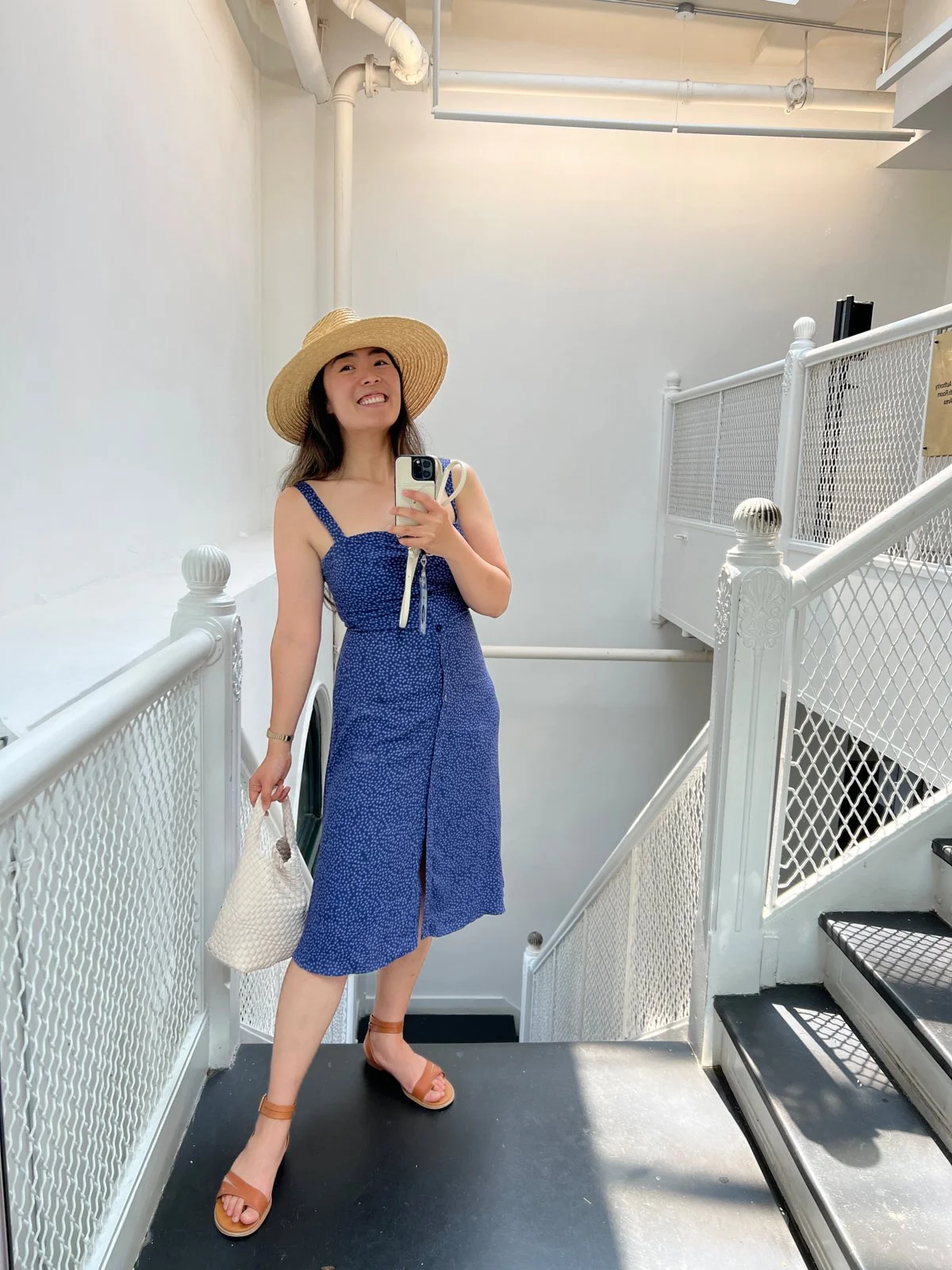
Special shoutout to the fun parts — business trips, social events, celebrity sightings, and my personal favorite, the MPK 19 gym community. Shuttle buses, beautiful workspaces, and an unreasonable amount of good food… never taking it for granted.
The real treasure was the connections we made along the way
The company is huge, but it's a surprisingly small world. Roadmaps shift, projects change, teams get re-orged, and work you poured yourself into gets deprioritized or sunsetted. But the people are still around.
If you're dependable, do good work, and aren't a jerk, your reputation will open doors. People will know your name and managers/directors will remember you as top talent, internally and in the broader industry. And that’s something that sticks with you no matter where you end up.
And I can't speak for every function, but designers here are genuinely the best. In four years, I haven't once crossed paths with an egotistical designer at this company, and I think that says a lot about the quality of people I get to work with.
Change is the only constant
The elephant in the room is always there. We're days out from yet another layoff announcement, but I've been through this before. Staying on top as a tech company means constant evolution, and with that comes growing pains, uncomfortable realities, and relentless change. The only real option is to get comfortable learning on the job.
Even when you survive a round of layoffs, you still get shuffled around internally to the point where it feels like you’re always starting a new job. In four years, I've been on four different teams (two of those moves were outside my control) and had seven different managers. Within each team, priorities shift at least twice a year. It's inevitable. But every time, I treated it as a chance to grow my skills, my product sense, my expertise in different domains, and my network.
The honest truth is that job security in tech just isn't what it used to be. The mid-2010s gold rush is over, and the sooner you make peace with that, the better. What you can control is how intentional you are about your own trajectory… checking in with your goals, staying curious, and making sure you're growing and not blindly sitting on a sinking ship. That's the price of admission at a company that never stops moving.
Stay optimistic, friends
The last thing I'll say: stay optimistic. It's easy to get pulled into news cycles and what outsiders think they know. Those of us who've been here for a while don't have the time or energy to care what TechCrunch predicts, or catch up on the latest Zuck rumors. The sensationalism never ends — so stop paying attention and go do your job, live your life.
Whenever I doubt the company or the future of my job, I think about something our CMO Alex Schultz said during the stock dip of late 2022: "We're never as good as people think we are, we're never as bad as people think we are." Stay grounded, know your values, and ride out the storms.
Happy MV4 to me 🎈
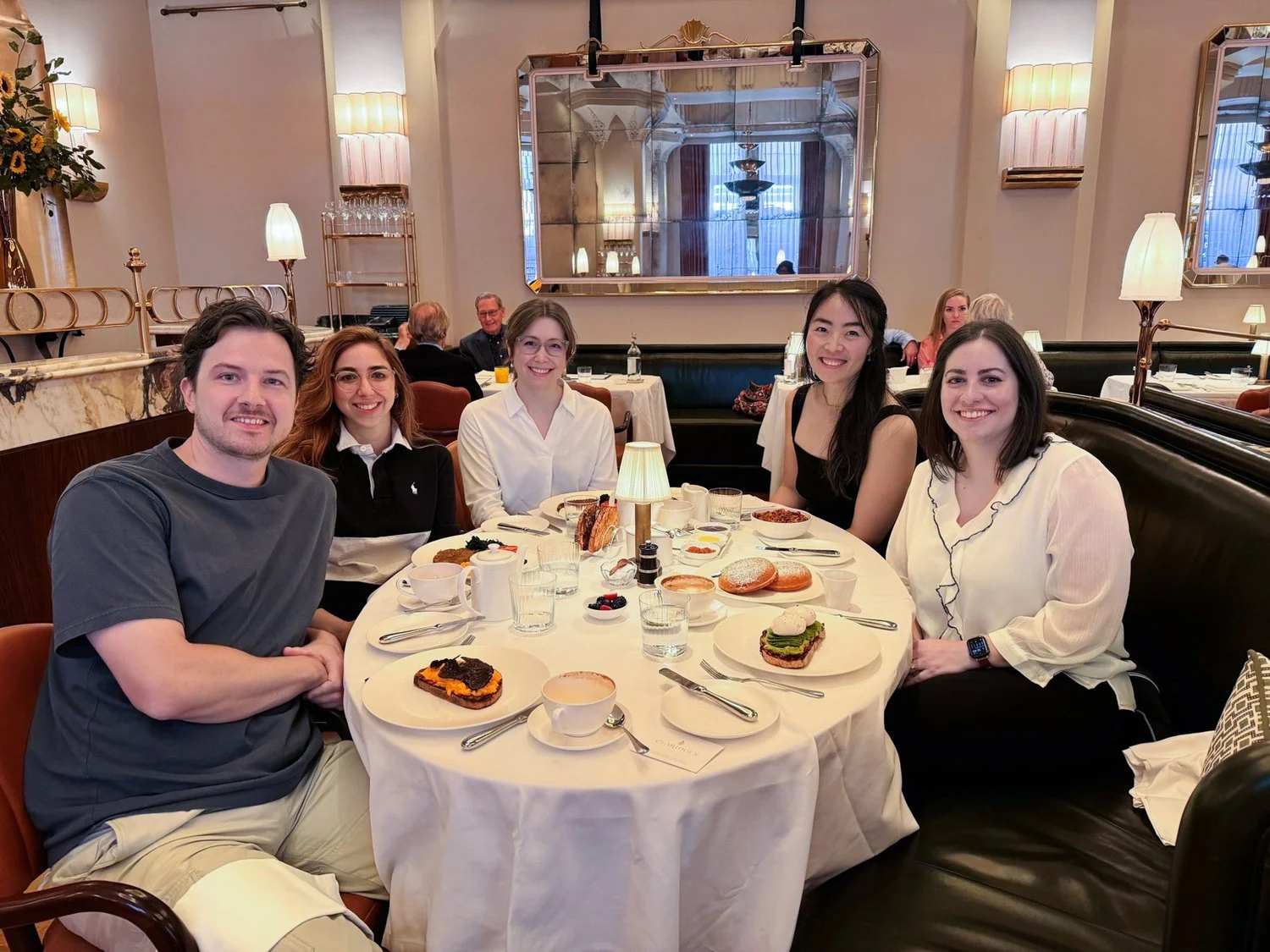
The opinions expressed here are my own and do not represent Meta or any of its affiliates.






AI this, AI that. Where does the human come in? My thoughts on the future of the design industry coming out of the 2026 Figma Config conference.